

Worm Bedding, Worm Food & Composting Additives
A healthy worm bin runs on three things: bedding to live in, food to eat, and finished compost or soil amendments to show for it once the work is done. This collection covers all three, so whether you're setting up a brand-new bin or restocking an established one, you'll find the composting material you actually need in one place instead of piecing it together from five different sources.
Filters
12 products




What Counts as Composting Material?
"Composting material" covers more than most people expect. It's not just the finished, crumbly compost you dig into garden soil. It includes the bedding your worms live in, the supplemental food that keeps them active and reproducing, the grit that helps them digest, and the ready-made soil amendments you can buy instead of waiting months for your own bin to produce them. A well-stocked worm bin draws on all four categories at different points, and this collection is organized around exactly that.
Compost For Sale
Not everyone wants to wait for their own bin to finish a batch, and not every gardener is running a worm bin in the first place. For anyone who just wants good compost for garden beds, containers, or raised beds without the wait, we carry finished compost ready to use.
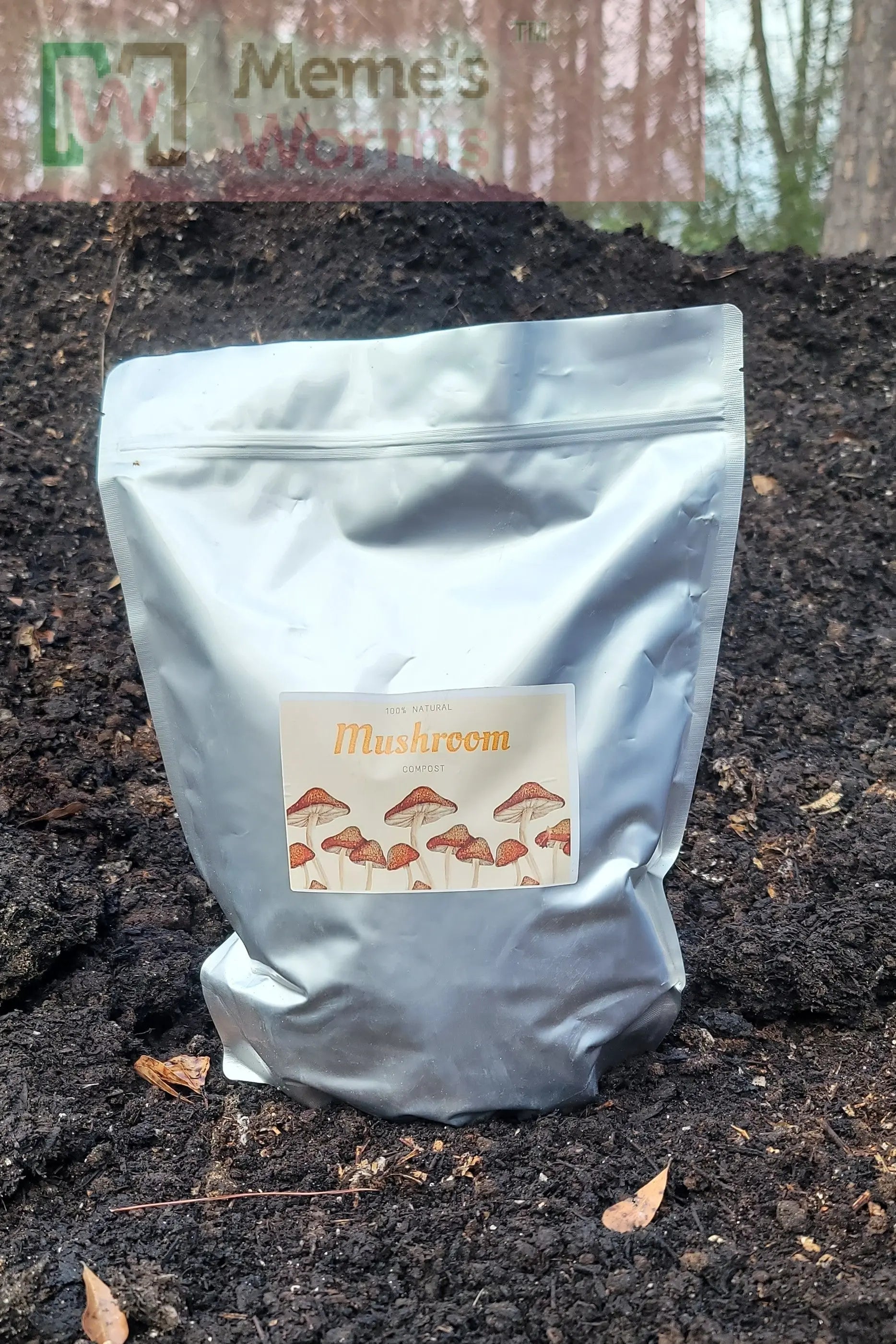
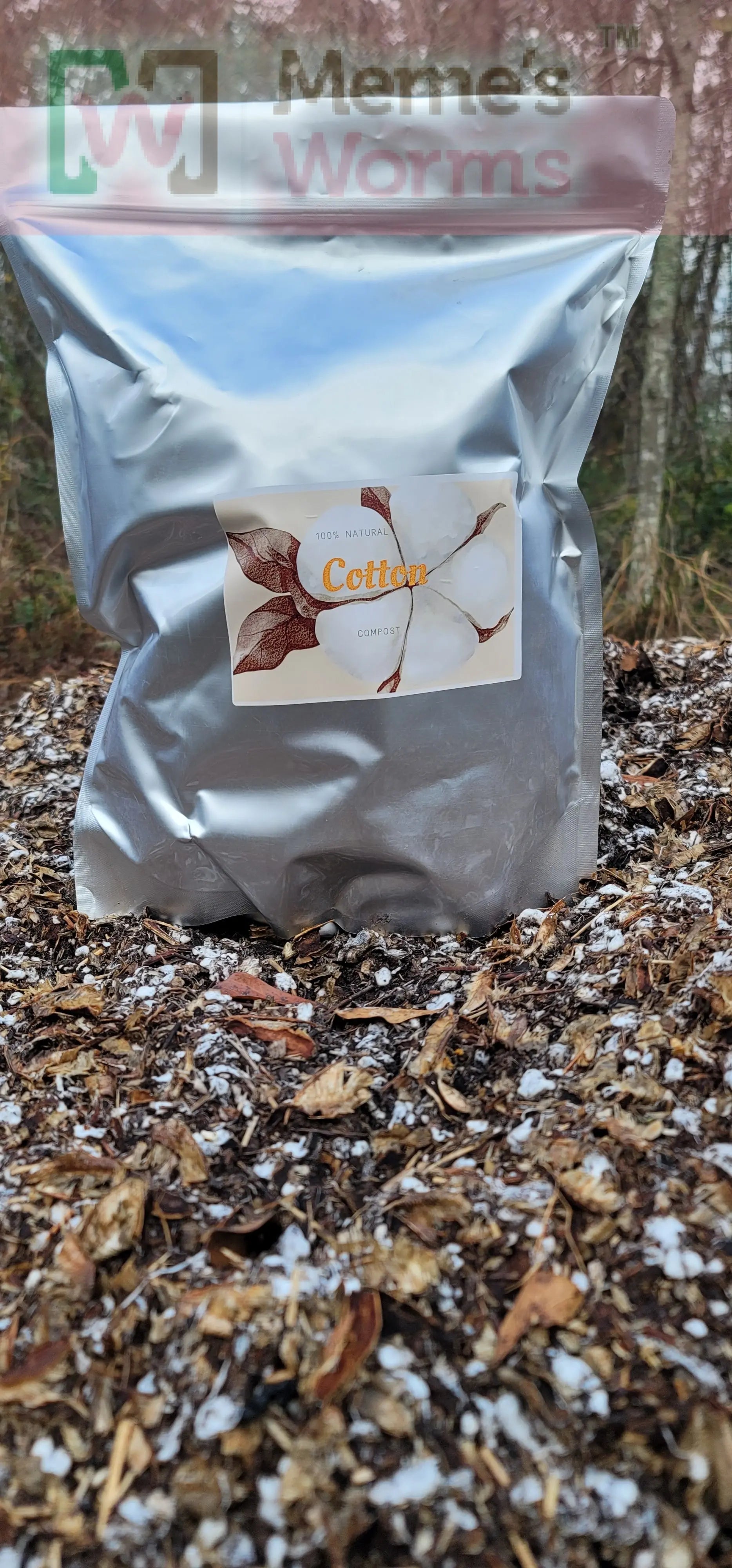
Mushroom Compost is a rich, well-aged option built from spent mushroom substrate, a favorite for vegetable beds and heavy feeders. Cotton Compost is made from composted cotton byproduct, a lighter-textured option that works well worked into existing garden soil. Both are sold as compost for sale in ready-to-use form, no bin or worms required on your end.
Worm Bedding: The Foundation of Every Bin
Bedding is the material your worms actually live in between feedings, and it does more work than most beginners realize. It holds moisture, regulates temperature, and gives worms somewhere to retreat to when the feeding zone gets too active. Buying the right bedding for worm farm setups matters just as much as buying the right worms.
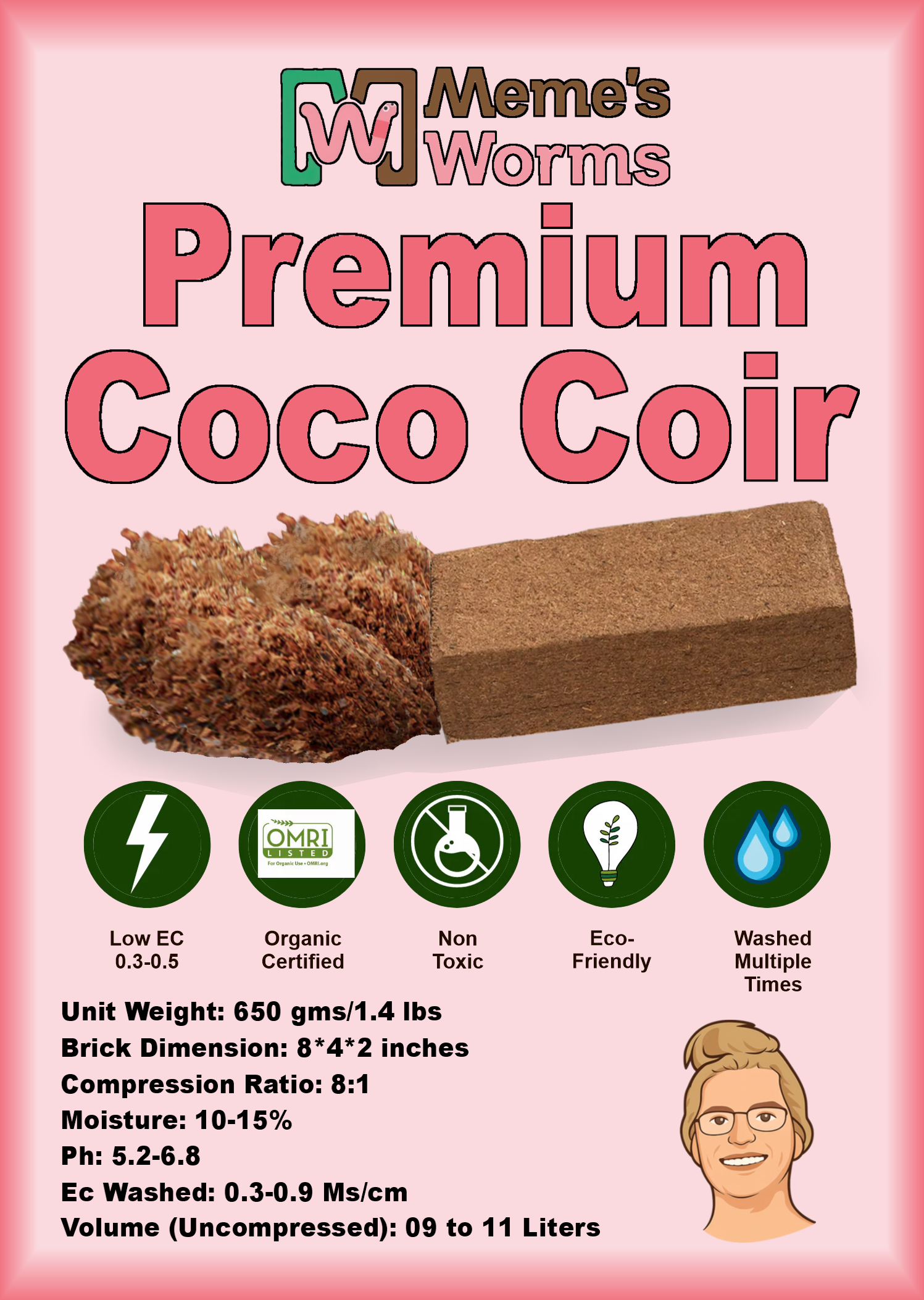
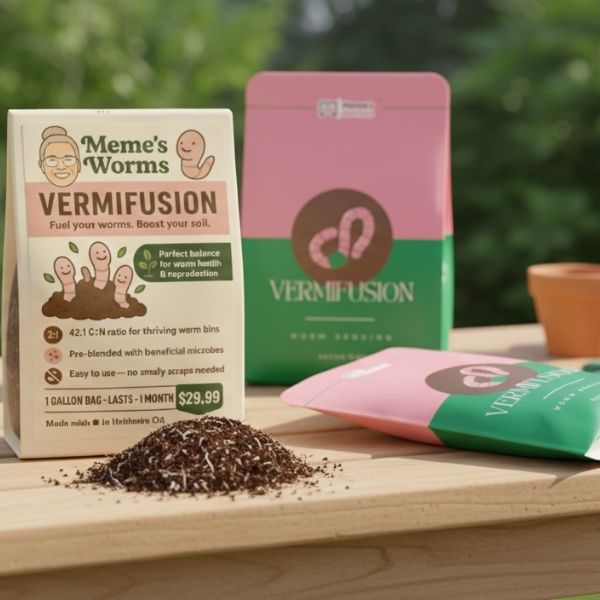
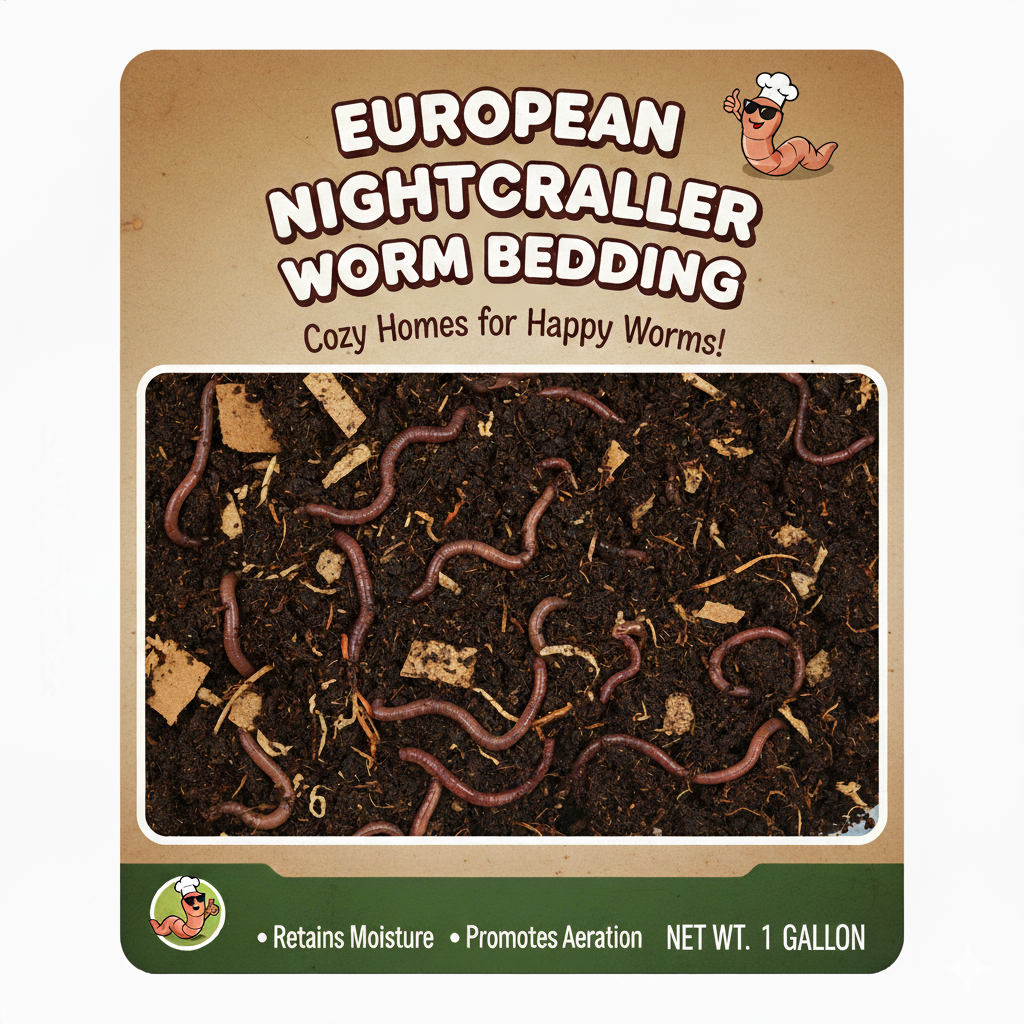
Coco Coir is one of the most reliable options, a natural coconut fiber that holds moisture evenly without compacting. Our VermiFusion Blend Worm Bedding is a pre-mixed formula designed to be ready straight out of the bag, useful for anyone who doesn't want to build a bedding mix from scratch. European Nightcrawler Food doubles as a bedding base suited to that larger species specifically, and Worm Bedding EcoFluff offers a lighter, airier texture for bins that need better airflow. A Worm Blanket sits on top of any of these, holding moisture in and keeping light out so your worms stay active near the surface.
If you're building or restocking a bin, starting with the right bedding for your worm farm is the single highest-leverage decision you'll make before you ever add worms.
Worm Food & Additives
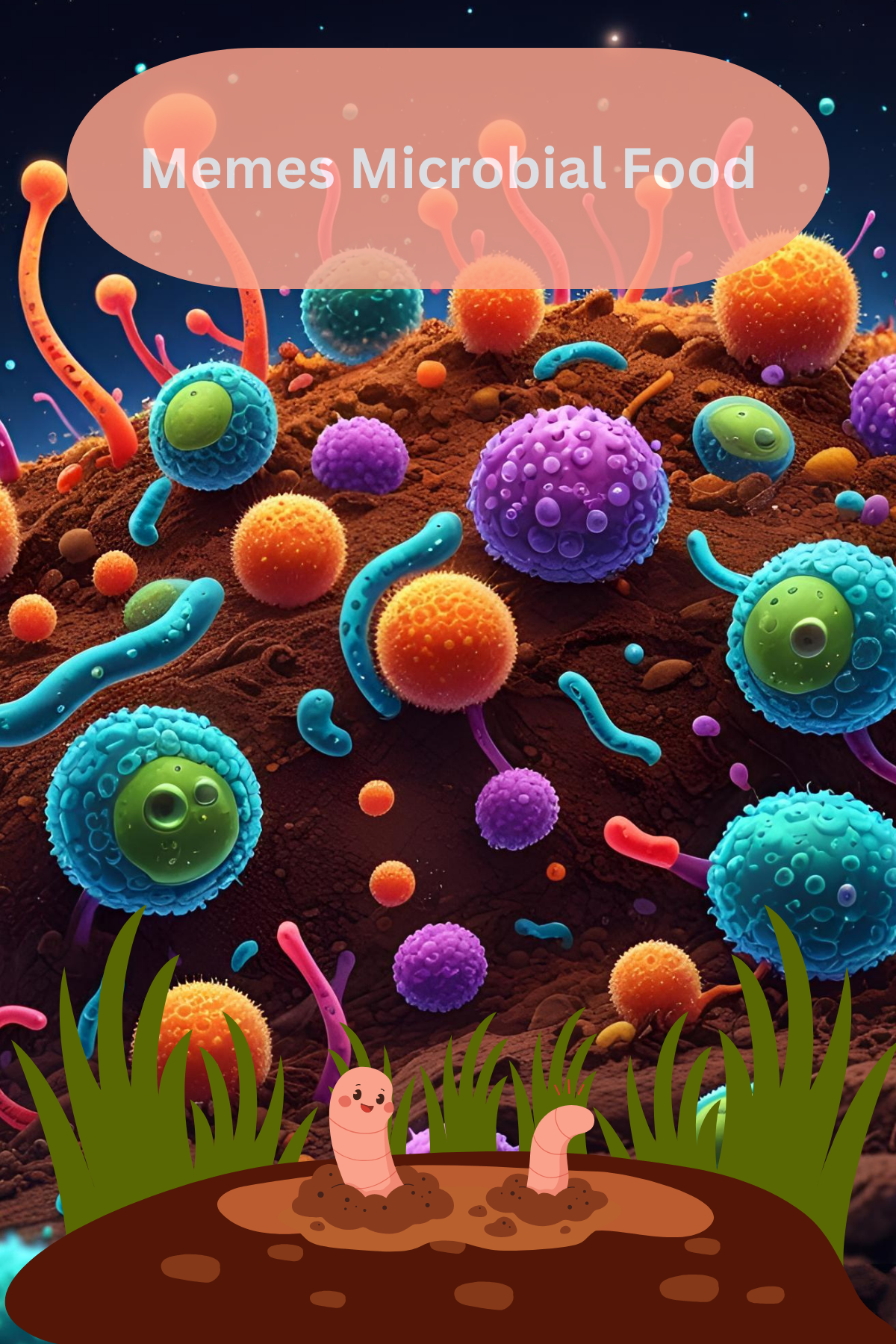
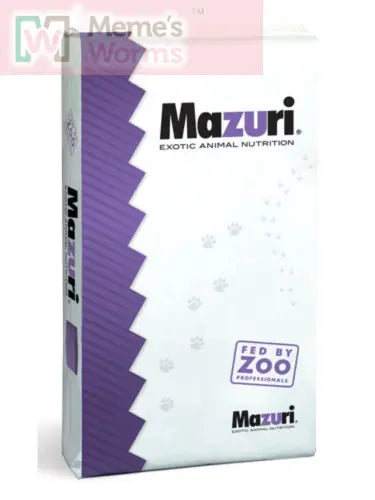
Composting material also includes what keeps your worms fed and your bin chemically balanced. Meme's Premium Worm Chow is a balanced starter and maintenance feed that takes the guesswork out of what to feed your worms week to week. Mazuri Worm Food is a proven commercial-grade feed option many serious worm farmers rely on. Microbial Compost Food feeds the bacteria and fungi that break down organic matter in the first place, speeding up decomposition throughout the bin.
Oyster Shell Flour rounds this category out. It isn't food exactly, but it's essential compost bin material: worms have no teeth, and the grit from crushed oyster shell is what their gizzard uses to grind food, while also helping stabilize pH as the bin naturally acidifies over time.
How to Choose the Right Compost Bin Materials?
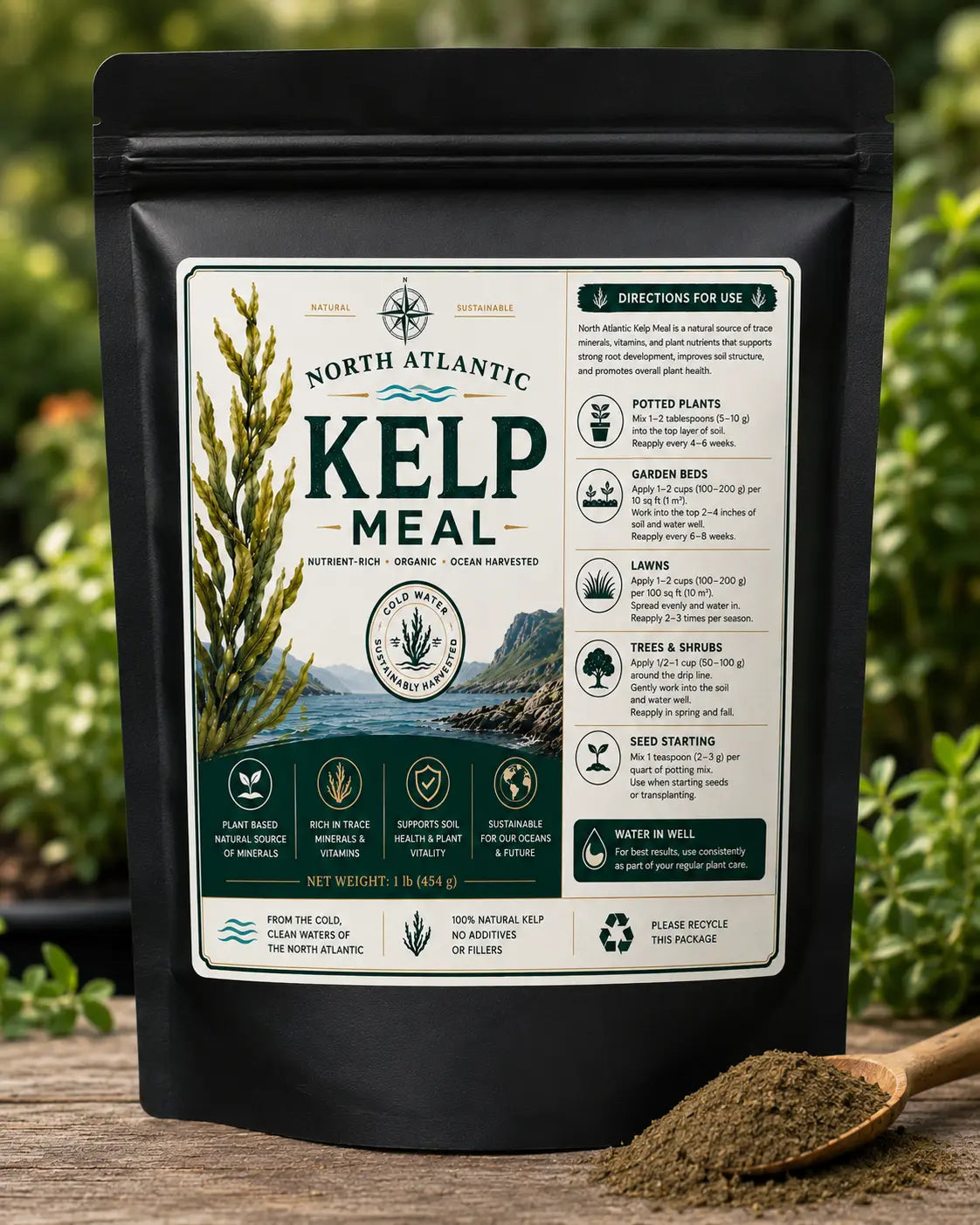
With this many options, the simplest way to shop is by what stage your bin is in. Starting a brand-new bin means you need bedding first, a feed second, and grit third; VermiFusion or Coco Coir paired with Worm Chow and Oyster Shell Flour covers all three in one order. Maintaining an established bin usually means restocking whichever bedding or feed is running low, since a working bin rarely needs everything at once. Improving your garden without running a bin at all points you toward the ready-made compost and kelp meal instead, skipping bedding and feed entirely.
There's no single right combination. The right composting material depends on whether you're feeding worms, feeding soil, or both.
Frequently Asked Questions
What is composting material?
Composting material is any product used to build, feed, or maintain a compost system, including worm bedding, worm food and additives, and finished compost or soil amendments ready to use in a garden.
What is the best bedding for a worm farm?
Coco coir and pre-mixed blends like VermiFusion are among the most reliable bedding options, since they hold moisture evenly and are ready to use without extra preparation.
Do I need both bedding and food for my worm bin?
Yes. Bedding is where worms live and regulate moisture; food is separate and should be added gradually. A bin with only bedding and no food will not sustain an active worm population.
Can I buy compost without buying worms?
Yes. Products like Mushroom Compost and Cotton Compost are ready-made, finished compost you can use directly in garden soil without running a worm bin yourself.
What makes good compost for a garden?
Good garden compost is fully broken down, crumbly, and free of large undecomposed material. Mushroom compost, cotton compost, and worm castings all meet that standard and can be used directly in beds or containers.
Why does my worm bin need oyster shell flour?
Worms have no teeth and rely on swallowed grit to grind food in their gizzard. Oyster shell flour provides that grit while also helping keep bin pH stable.
Blog posts
Creative Ways to Use Worm Castings for a Thriving Garden - Boost Your Plants Naturally
Worm castings are a natural and effective way to boost your garden's health. They’re versatile, packed with nutrients, and beneficial for improving soil quality, starting seeds, controlling pests, ...
DIY Worm Bins, easy and inexpensive. Start Your Vermicomposting Adventure Today!
Hi, I’m Samantha — but most people call me Meme. I raise composting worms every day in real worm bins and production systems. I’ve also killed more worms than most beginners will ever own. That’s h...
Vermiculture 101: How To Start A Worm Farm as a Business or a Hobby
If you’ve ever wondered whether worm farming is worth it — or even possible — you’re not alone. Many people come to me asking how to start a worm farm and whether it can be more than just a hobby. ...
Why Choose Meme's Worms?