


Pure Red Wigglers Worm Cocoons - Composting Worms Eisenia Fetida
Worm Cocoons – Pure Red Wiggler Composting Worms
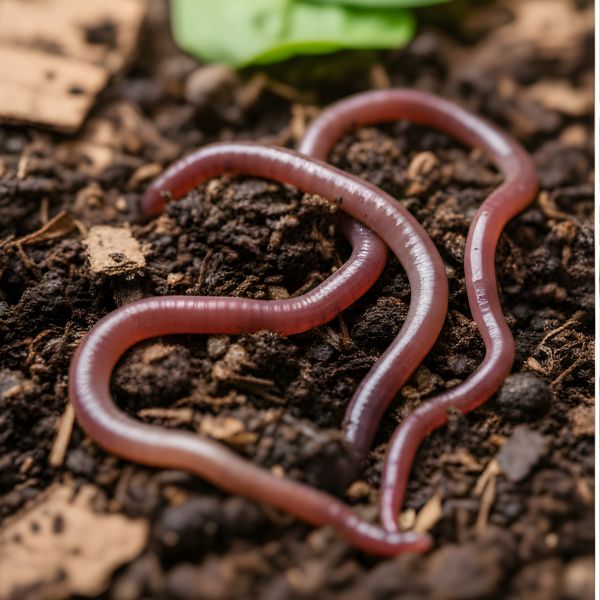
Photos for illustration purpose only
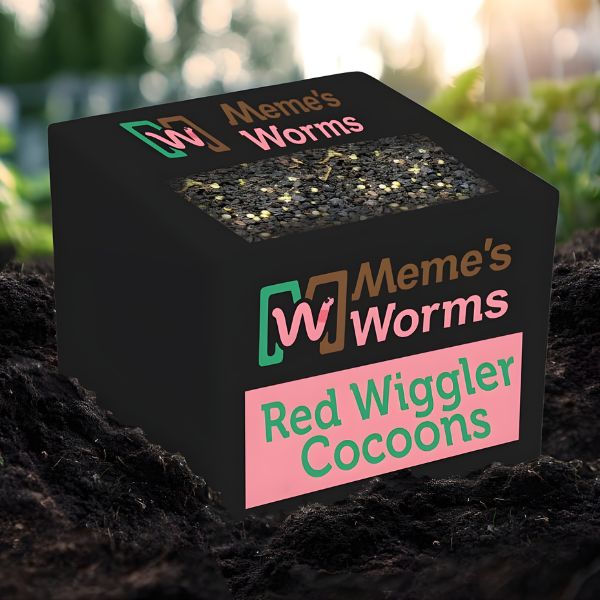
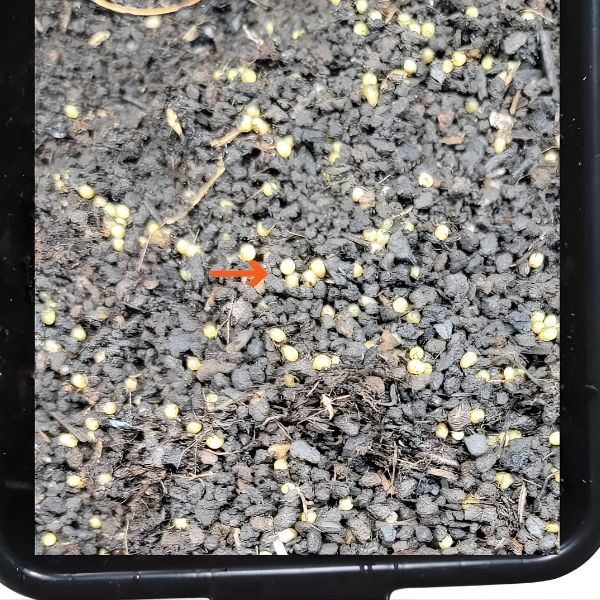
Our Worm Cocoons (Eisenia fetida) are a simple, reliable, and eco-friendly way to start or expand your composting setup. Each order includes cocoons embedded in rich, biologically active material to preserve freshness and composting potential during transport.
Unlike adult worms, cocoons are naturally resilient — making them the ideal choice for safe, temperature-stable shipping year-round. Every batch is prepared under careful conditions and packaged in breathable, compost-safe material for optimal preservation.
Why Choose Worm Cocoons Over Adult Worms?
If you’re wondering why cocoons might be the right choice for your composting project, here are some key advantages:
-
Easier Handling & Transport – Cocoons are more durable and stable during transit, reducing stress and improving success rates in any climate.
-
Cost-Effective Startup – Because cocoons are lightweight, they offer a lower-cost entry into composting or scaling your current setup.
-
Natural Acclimation – When cocoons hatch, the emerging composting worms naturally adjust to your local environment, ensuring stronger, longer-lasting colonies.
-
Flexible Timing – Cocoons can be safely stored in their bedding until you’re ready to start your composting bin.
- Natural Growth Potential – Each cocoon hatches multiple Eisenia fetida worms, allowing your population to multiply naturally over time — ideal for long-term vermicomposting goals.
What to Do When You Receive Your Worm Cocoons
To get the best results from your shipment, follow these easy steps:
-
Inspect the Package – Your breathable composting pack will contain moist bedding and cocoons within biologically active material.
-
Prepare Bedding – Create a comfortable home by filling a bin with bedding material such as shredded cardboard, coconut coir, or newspaper. We recommend Meme’s VermiFusion Blend. Bedding should be moist but not soggy.
-
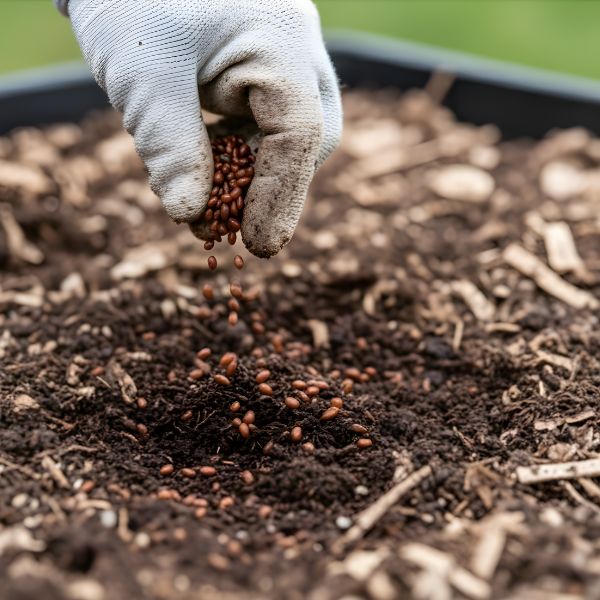
Introduce the Cocoons – Gently spread the living material with cocoons across the surface of the bin and cover lightly with fresh bedding.
- Maintain Conditions – Keep the bin in a stable environment, ideally between 55°F and 77°F. Check bedding moisture regularly and adjust as needed.
- Monitor Hatching – Over the next few weeks, you’ll notice baby Red Wiggler Composting Worms emerging from the cocoons. As they mature, they will burrow, feed, and multiply, turning organic waste into nutrient-rich worm castings.
Disclaimer: Our worms are classified and described as Eisenia fetida or Eisenia andrei based on our breeding lines, supplier records, historical stock separation, and observed performance characteristics consistent with each species.
Due to the extremely close genetic relationship between Eisenia fetida and Eisenia andrei, and the existence of overlapping traits, cryptic lineages, and documented hybridization in scientific research, species-level identification cannot be guaranteed with absolute certainty without laboratory genetic sequencing of individual specimens.
Routine DNA testing of commercial worm harvests is not practical, and no species classification provided by our operation should be interpreted as a genetic guarantee.
Accordingly, species designations are provided in good faith and represent our best professional judgment, but are not guaranteed for legal, scientific, or regulatory purposes. All worms sold are intended for composting, soil health, and vermiculture use and are collectively considered red wiggler composting worms (Eisenia spp.).
Frequently Asked Questions
How long does it take for worm cocoons to hatch?
How many worms hatch from one cocoon?
Are cocoons better than buying adult worms?
What’s the best bedding for cocoons?
Can I purchase cocoons year-round?
Why Choose Meme's Worms?