



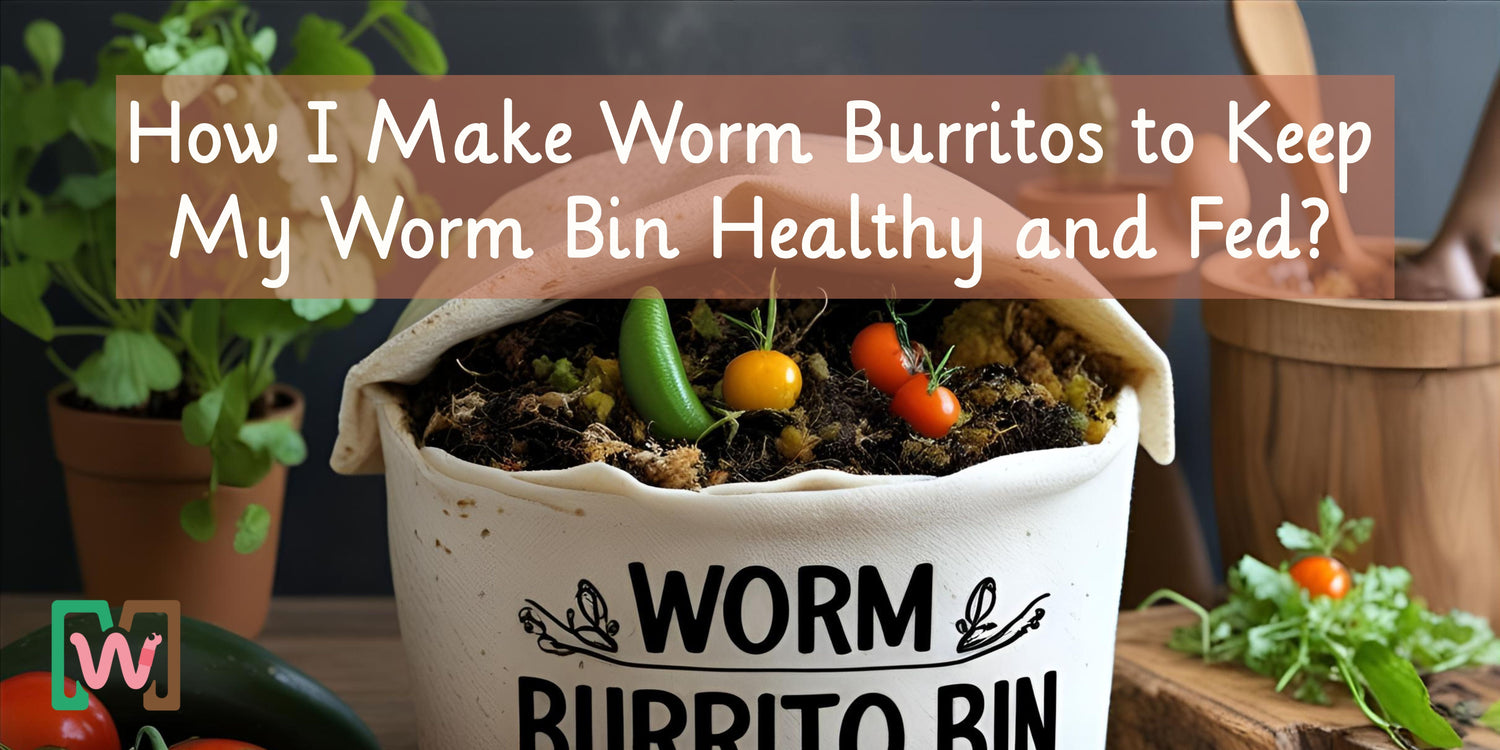
As someone who has been raising worms for years, I’m always looking for practical ways to feed them efficiently while keeping their habitat clean, balanced, and productive. One of my favorite methods is what I call the "worm burrito" — a simple yet highly effective way to package worm food so it decomposes steadily, provides consistent nutrition, and avoids attracting pests.
Over time, I’ve found that worm burritos are not only great for regular feeding but also perfect for situations when you’ll be away from home for a few days or even weeks. They provide a controlled, long-lasting food source that your worms can access gradually. In this post, I’ll share exactly how I make them, what I put inside, and tips for keeping your worm bin in top shape.
What Is a Worm Burrito?
A worm burrito is a feeding technique where worm food is wrapped inside a layer of dry bedding material, such as shredded cardboard or newspaper, creating a compact “package” for the worms to consume over time. This method keeps food contained, balances moisture, and encourages gradual decomposition. Instead of scattering scraps loosely in the worm bin, a worm burrito organizes everything into one tidy bundle, making it easier to manage feedings and maintain a clean, odor-free composting environment. It’s especially useful for worm keepers who want to provide a steady food supply during vacations or busy weeks.
Why Worm Burritos Work?
When you feed worms by scattering scraps loosely in the bin, food breaks down at different speeds, moisture spreads unevenly, and some spots can start to smell before the worms get to them. The worm burrito method solves this by:
- Containing food in one compact package so it stays organized.
- Balancing moisture using dry bedding like shredded cardboard.
- Providing gradual decomposition so worms have food over time.
-
Reducing pests because the food is wrapped and buried.
Think of it as meal-prepping for your worms — except instead of a freezer, you’ve got a composting bin.
Must Read : What To Feed Worms in 2025: The Complete Guide
Materials I Use?
You don’t need fancy supplies, but choosing the right materials makes a big difference. Here’s what I typically gather:
- Dry shredded cardboard or newspaper – absorbs excess moisture and forms the burrito wrap.
- Food scraps – lettuce, comfrey leaves, pea or bean vines, apple slices, apricots, or other kitchen produce.
- Coffee grounds – a nitrogen boost worms enjoy.
- Worm chow – an optional, nutrient-rich supplement.
- Oyster shell flour – adds grit to aid worm digestion.
- Microbial food – speeds decomposition and enhances microbial diversity.
Tip: The finer you chop your scraps, the faster they’ll break down, but including a mix of particle sizes ensures both quick snacks and long-term feed.
Step-by-Step: Making the Worm Burrito
- Lay the foundation – Take a piece of newspaper or dry shredded cardboard then spread the layer of dry shredded cardboard or newspaper. This acts like the tortilla, wrapping the food while managing moisture.
- Layer the food – Place your greens, fruit scraps, coffee grounds, and other food items in the center. I often use chopped comfrey and bean vines because they’re nutrient-dense.
- Add grit and supplements – Sprinkle oyster shell flour and any worm chow or microbial food you have.
- Roll it up – Fold the cardboard over the food, tucking in the sides as you roll. The tighter the roll, the better it holds together.
- Secure if necessary – If the cardboard is flimsy, you can wrap the burrito in another layer or tie it lightly with biodegradable string.
Preparing the Worm Bin for Burritos?
 If you’re going to be away, or just want to set up a longer-lasting food source, I prepare the bin like this:
- Moisten the bedding – The burrito will start dry, so the surrounding bin should have the right moisture level (like a wrung-out sponge).
- Add peat moss or mushroom compost – This creates a nutrient-rich bedding that slowly releases moisture into the burrito.
- Place burrito in the bin – Bury it under a couple of inches of bedding. The worms will gradually move in as it softens.
Tip: I sometimes place a piece of bubble wrap over the bin’s surface. This traps condensation, which drips back down to keep the environment consistently humid without overwatering.
Choosing Foods for Short and Long Term Feeding
Not all worm foods decompose at the same rate. For a burrito, I like to combine:
- Quick foods – leafy greens, apple slices, melon rinds (break down in a few days).
- Medium-term foods – carrot peelings, broccoli stems (take 1–2 weeks).
-
Long-lasting foods – avocado pits, potato peels (can last several weeks).
This layered approach ensures that even if the worms finish the soft foods quickly, they still have something to munch on until you return.
Moisture Management Tips
One of the biggest mistakes worm keepers make is letting the bin get too wet or too dry. For burritos, remember:
- Start with dry or slightly damp burritos — the bin’s moisture will work its way in.
- Avoid overwatering the bin — you don’t want standing water, which causes rot and anaerobic conditions.
- Use moist bedding cover like shredded newspaper or peat moss to regulate humidity.
If you live in a dry climate, covering the bin with a breathable cloth helps retain moisture without blocking airflow.
Must Read : Worm Castings vs Worm Tea: When to Use Each for Best Garden Results
Why I Recommend Worm Burritos?
Since I started using worm burritos, I’ve noticed:
- Better bin hygiene – no loose scraps scattered around.
- More consistent feeding – worms never run out of food.
- Improved compost quality – balanced carbon and nitrogen inputs.
-
Less odor – decomposition happens inside the burrito.
It’s a simple, low-cost, and scalable feeding method that works whether you have one small bin or a large worm farm.
Final Thoughts
The worm burrito method combines organization, moisture control, and steady nutrient release into one simple feeding technique. Whether you’re at home or away, it keeps your worms thriving, your compost healthy, and your bin maintenance to a minimum.
If you’re looking for a feeding method that’s easy to prepare, reduces waste, and supports long-term worm health, I encourage you to give worm burritos a try.
FAQs
1.How long does a worm burrito last in the bin?
Depending on the food mix and temperature, a burrito can feed worms for 2–4 weeks. Longer-lasting ingredients like avocado pits extend this time.
2. Can I use only fruit scraps in my worm burrito?
It’s better to mix fruits with greens, coffee grounds, and dry bedding. Too much fruit can cause excess acidity and attract fruit flies.
3. Should I freeze food before making a worm burrito?
Freezing can speed decomposition by breaking down cell walls, but it’s optional. Just avoid putting frozen food directly into the bin without thawing.
4. How deep should I bury a worm burrito?
Bury it at least 2–3 inches below the surface to reduce pests and maintain consistent moisture.
5. Is cardboard better than newspaper for wrapping?
Both works, but cardboard is thicker and holds shape better, while newspaper decomposes faster. I sometimes use both for balance.





Leave a comment
All comments are moderated before being published.
This site is protected by hCaptcha and the hCaptcha Privacy Policy and Terms of Service apply.