



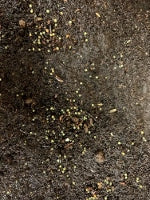
How do you hatch red wiggler cocoons?
To hatch red wiggler cocoons, keep them in moist bedding at 65–80°F, avoid disturbing them, and maintain steady moisture without flooding. Most cocoons hatch in 7–21 days when bedding stays damp, stable, and lightly fed.
If you’ve found worm cocoons in your bin or you’re thinking about buying red wiggler cocoons, you might be wondering one simple thing:
How do I hatch red wiggler cocoons successfully?
I hatch red wiggler cocoons every week in a working worm farm — not a backyard experiment. This guide walks you through exactly how to hatch and raise red wiggler cocoons, what actually matters, and what causes most failures.
No fluff. No guesswork.
What Are Red Wiggler Cocoons?
Red wiggler cocoons are small, lemon-shaped capsules laid by adult composting worms. Each cocoon can produce 2–5 baby red wigglers when conditions are right.
They are tougher than worms, but they are not indestructible. Cocoons need:
- consistent moisture
- mild temperatures
- stable bedding
How Long Do Red Wiggler Cocoons Take to Hatch?
Short answer:
Most red wiggler cocoons hatch in 7–21 days.
Hatching time depends on:
- moisture level (most important)
- temperature (65–80°F is ideal)
- bedding quality
Dry bedding or cold conditions will delay or stop hatching.
What You Need to Hatch Red Wiggler Cocoons
You don’t need fancy equipment.
Supplies I Use:
- Shallow tray (mortar tray works well)
- Coco coir or peat moss
- Clean water
- A small amount of aged manure
- Red wiggler cocoons
Step-by-Step: How I Hatch Red Wiggler Cocoons
Step 1: Prepare the Bedding
Add about 2 inches of coco coir or peat moss to your tray.
Moisten the bedding until it reaches 70–80% moisture.
It should feel wetter than a wrung-out sponge, but never have standing water.
Moisture is the #1 reason cocoons succeed or fail.
Step 2: Add a Light Food Source
Add a small amount of aged manure:
- horse
- cow
- rabbit
- dairy manure
Avoid fresh manure. Chicken manure should only be used in very small amounts.
You can also add a small piece of fruit (banana peel, apple, watermelon). Always bury it.
Step 3: Add the Cocoons
- Place the cocoons gently into the bedding and lightly cover them.
- Spacing does not matter.
- Once added, leave them alone. Disturbing cocoons slows or stops hatching.
Step 4: Maintain Moisture and Wait
Check moisture every few days. Lightly mist if needed.
Do not:
- let bedding dry out
- flood the tray
- stir or dig
Step 5: Watch for Baby Worms
Within 1–3 weeks, you’ll begin to see tiny baby worms.
Once babies appear:
- keep moisture steady
- begin very light feeding
- avoid disturbing the bedding
Why Red Wiggler Cocoons Don’t Hatch (Common Mistakes)
If cocoons aren’t hatching, it’s usually one of these:
- bedding dried out
- too much food
- standing water
- hot or fresh manure
- constant digging
Moisture problems cause most failures.
How to Raise Baby Worms After Hatching
Once cocoons hatch:
- feed lightly
- keep bedding moist
- avoid moving them
- allow populations to establish before splitting
If your goal is growth and scale, see my guides on Red Wiggler Reproduction and Double Your Composting Worms — 10 Tips That Actually Work (2025)
Want to Start With Cocoons Instead of Adult Worms?
Some people prefer starting with cocoons so they can:
- avoid shipping stress
- grow worms from day one
- expand populations gradually
We sell real red wiggler cocoons, raised in working compost systems — not swept from random bins.
Improve Your Hatch Rates (Important)
If you already have cocoons but results are slow, read this next:
Top 5 Tips to Hatching Red Wiggler Cocoons
Final Thoughts (Why This Works)
Hatching red wiggler cocoons is not complicated — but it is precise.
Control:
- moisture
- bedding
- patience
That’s it.
This is the same method I use in a commercial worm farm, not a theory blog — and that’s exactly why it works.




2 comments
Anonymous
I would use about an inch to start. Yes fresh is fine, be careful if it has a lot of urine in it. Cocoons can be anywhere in the bin just keep them moist.
Jesse
How much of a ‘cooler’ manure, such as rabbit, would you add to start? And is rabbit manure ok to use fresh? Also, should the cocoons be buried slightly? Meant to ask one question but one turned to 3. Thank you!
Leave a comment
All comments are moderated before being published.
This site is protected by hCaptcha and the hCaptcha Privacy Policy and Terms of Service apply.