



Hi, I’m Samantha — most people call me Meme.
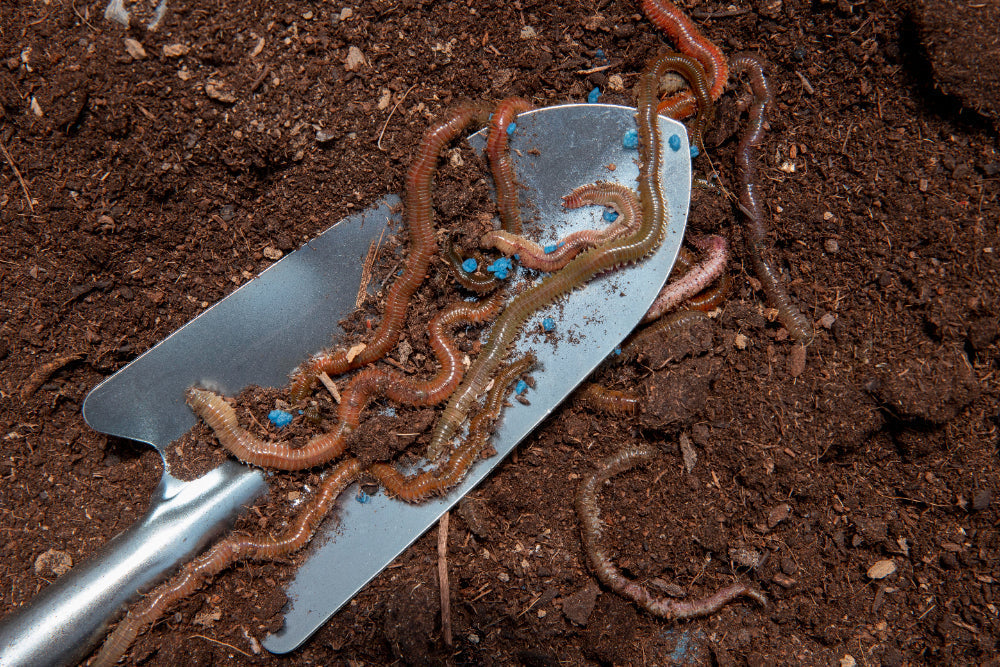
I raise composting worms every day and work with worm castings in real gardens, worm bins, and production systems. I’ve seen how powerful worm castings can be — and I’ve also seen how disappointing they are when people use poor-quality castings or apply them the wrong way.
Worm castings aren’t just compost. They’re a living soil amendment, and when you use them correctly, they can transform how your plants grow.
This guide walks you through creative, practical ways to use worm castings so you get real results — not wasted effort.
What Are Worm Castings Used For?
Worm castings are used to improve soil health, boost plant growth, and support beneficial microbes. They can be mixed into soil, used as a top dressing, brewed into worm casting tea, or added to seed-starting mixes to help plants grow stronger and healthier.
Why Worm Castings Work So Well
Worm castings work differently than traditional compost or fertilizer.
They:
- Improve soil structure
- Increase nutrient availability
- Feed beneficial microbes
- Support strong root development
- Do not burn plants
Because castings are biologically active, they continue improving soil over time instead of giving a short-term boost.
That’s why the quality of worm castings matters. Fresh, biologically active castings produced in real worm systems perform far better than dry, heat-processed products.
How Do You Use Worm Castings in the Garden?
Here are the most effective ways to use worm castings for healthy plants and soil:
- Mix worm castings into garden soil before planting
- Apply castings as a top dressing around plants
- Brew worm casting tea and water plants with it
- Add castings to potting soil for containers and houseplants
- Use castings in seed-starting mixes for stronger seedlings
Each method supports plants in a different way — and you don’t need large amounts to see benefits.
1. Mix Worm Castings Into Garden Soil
Mixing worm castings directly into soil is one of the easiest ways to improve plant health.
How to do it:
- Blend castings into the top 4–6 inches of soil
- Use during bed prep or before transplanting
This improves soil structure, helps roots access nutrients, and supports microbial life right where plants need it.
2. Top Dress Plants With Worm Castings
Top dressing means applying worm castings on top of the soil around established plants.
This works well for:
- Vegetable gardens
- Raised beds
- Flower beds
- Fruit trees and shrubs
Apply a thin layer around the base of plants and water it in. Worm castings slowly work into the soil and continue feeding microbes over time.
3. Brew Worm Casting Tea
Worm casting tea delivers nutrients and beneficial microbes directly to plant roots.
Simple approach:
- Add a small amount of worm castings to water
- Let it steep for several hours
- Use immediately
This method is especially helpful for stressed plants, transplants, or during active growth periods.
4. Add Worm Castings to Seed-Starting Mixes
Seedlings benefit from gentle nutrition and microbial support.
Why this helps:
- Encourages strong root development
- Reduces transplant shock
- Supports early growth without burning roots
Use castings sparingly in seed-starting mixes. A little goes a long way.
5. Use Worm Castings for Indoor and Potted Plants
Worm castings are ideal for houseplants because they release nutrients slowly and safely.
Best methods:
- Light top dressing
- Mixing into potting soil
This provides steady nutrition without the risk of over-fertilizing.
Are Worm Castings Better Than Compost?
Worm castings and compost serve different roles.
Worm castings are more biologically active and improve nutrient availability through microbes. Compost adds bulk organic matter and improves soil structure. Many gardeners use both together for best results.
Castings build soil life. Compost builds soil mass.
How Much Worm Castings Should You Use?
|
Use Case |
Amount |
|
Garden beds |
Lightly mixed into soil |
|
Top dressing |
Thin surface layer |
|
Seed starting |
Small blend only |
|
Houseplants |
Light application |
|
Compost boost |
Handful mixed in |
More is not better. Consistent, moderate use produces the best long-term results.
Common Mistakes When Using Worm Castings
Even good products can be misused.
Avoid:
- Applying thick layers
- Using castings as the only soil component
- Letting castings dry out completely
- Expecting instant results
Worm castings improve soil gradually — that’s what makes them sustainable.
Are Worm Castings Worth Buying?
Worm castings last longer than synthetic fertilizers and improve soil health over time. Because they support microbes, many gardeners find they need fewer inputs as their soil improves.
Fresh, properly produced castings deliver the best results — especially when they come from active worm systems rather than mass-processed compost.
Final Thoughts
Worm castings aren’t a quick fix — they’re a soil-building tool.
When used consistently and correctly, they help plants grow stronger, roots develop deeper, and soil become more resilient season after season.
That’s why I use them in my own gardens and teach others how to use them the right way.





Leave a comment
All comments are moderated before being published.
This site is protected by hCaptcha and the hCaptcha Privacy Policy and Terms of Service apply.