
Great experience!
Got my order well ahead of schedule. Superior customer service AGAIN. I am a repeat customer and just keep coming back
Thx again Meme!
From Pure Eisenia Fetida Red Wigglers, to European Nightcrawlers and Eisenia andrei, we grow high-quality worms for gardens and composting. We no longer grow Indian Blues
New to composting? Start with the Pure Red Wigglers. They are the easiest and most adaptable composting species to manage in most climates.


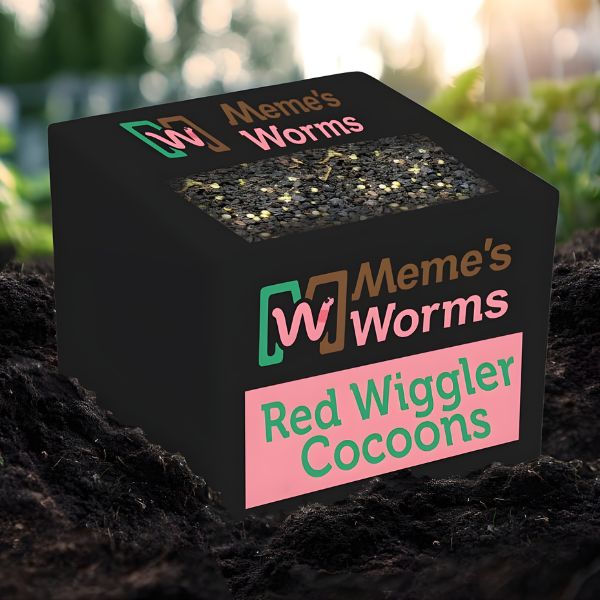
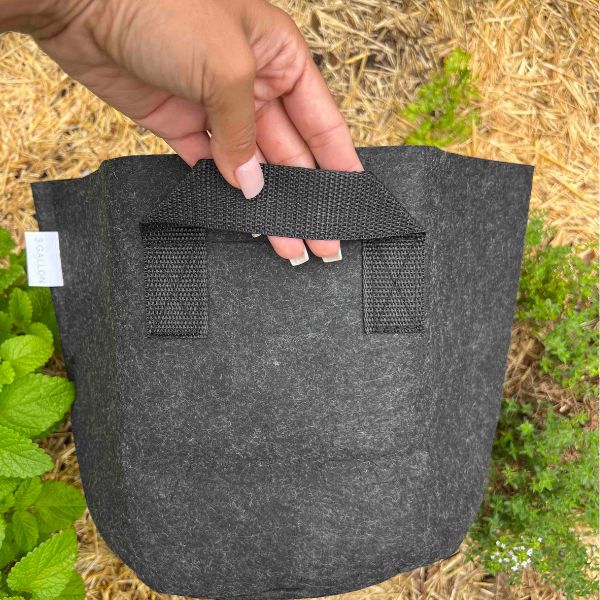
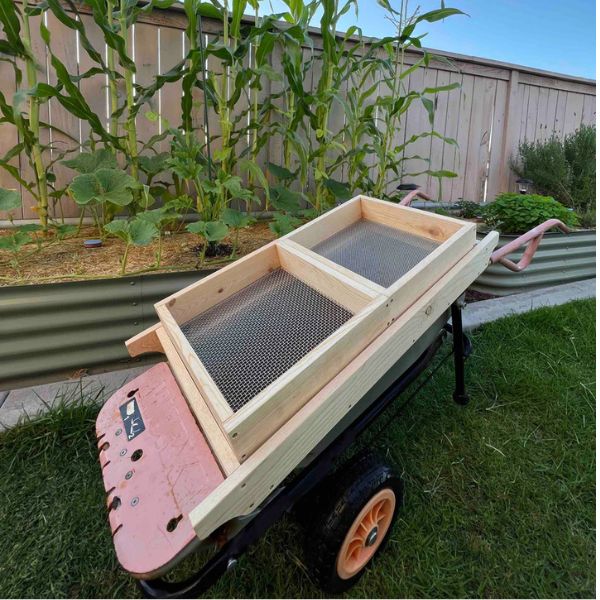

The average American throws away 290–365 pounds of food waste per person, per year. Vermicomposting (worm-assisted composting) is an easy, natural way to transform that waste into nutrient-rich compost for your garden. Adding composting worms enhances aeration, improves soil structure, and increases long-term fertility.
Starting a composting system is a sustainable method to recycle food and organic waste into nutrient-rich soil.
Beginning is simple:
Advanced composters refine the process to achieve higher-quality compost in less time. Techniques include:
Adding composting worm to soil helps enhance aeration, root development, and overall plant health. Their natural tunneling promotes better water flow, while organic decomposition produces nutrient-rich castings that act as organic fertilizer.
These castings also improve soil texture, retain moisture, and foster beneficial microbes that suppress plant diseases.
Composting worms help build biodiversity and long-term soil balance — essential for sustainable gardening.
Each species has distinct preferences and composting characteristics.
Prefers 55° to 77°F, will tolerate 40° to 90°F
Prefers 60° to 70°F, will tolerate 45° to 80°F
Middle layer
Bottom/Deep Layer
Quick growth, leading to a larger population.
Slower growth compared to Red Wigglers.
Efficient in breaking down food waste and organic materials.
Highly effective in processing organic waste, but at a slower rate than Red Wigglers.
Most popular worm for composting and gardens.
They are larger in size compared to Red Wigglers.
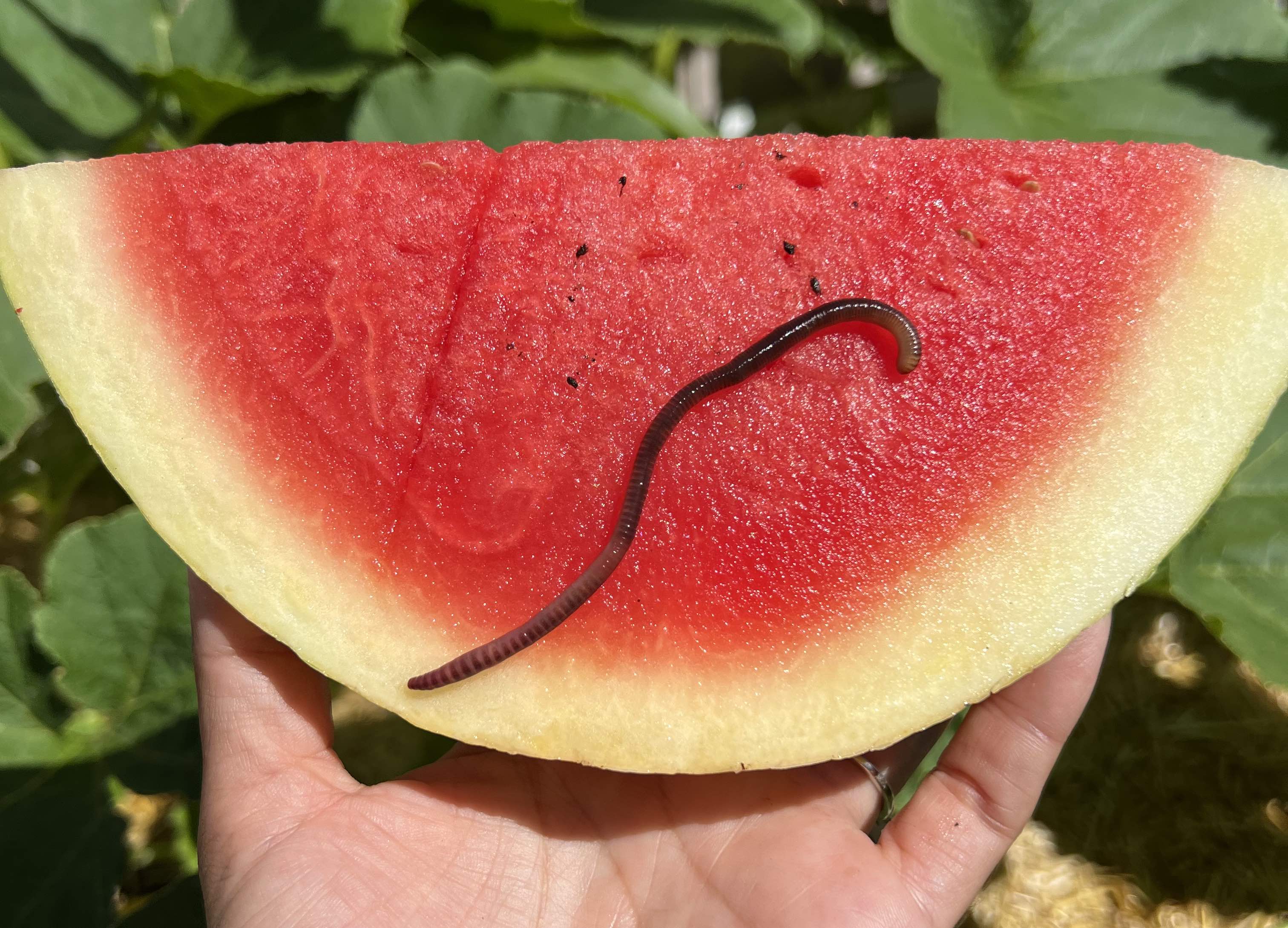
Red Wigglers (Eisenia Fetida)
These composting worms naturally break down organic waste into rich, microbe-filled compost. They are beginner-friendly and ideal for most climates.
Red Wigglers (Eisenia Andrei)
Known for their rapid reproduction and adaptability, they are perfect for compost bins and large-scale vermiculture.
European Nightcrawlers (Eisenia Hortensis)
Known for their strong soil-building capability and ability to recycle organic material into compost. Excellent for improving garden soil health.
Common questions about composting worms
For beginners, Eisenia Fetida (Red Wigglers) and European Nightcrawlers are top choices.
Red Wigglers: Excellent for indoor compost bins and fast decomposition.
European Nightcrawlers: Great for soil aeration and deeper compost systems.
Garden worms (like Eisenia Fetida) are composting species that thrive near the surface and process organic waste rapidly.
Earthworms is a broader term that includes soil dwellers like Eisenia Hortensis, which improve drainage and structure.
Absolutely! You can talk directly with Meme at (229) 507-0203 to have all your questions answered. Whether you’re an experienced composter or a beginner, we’re here to help.