



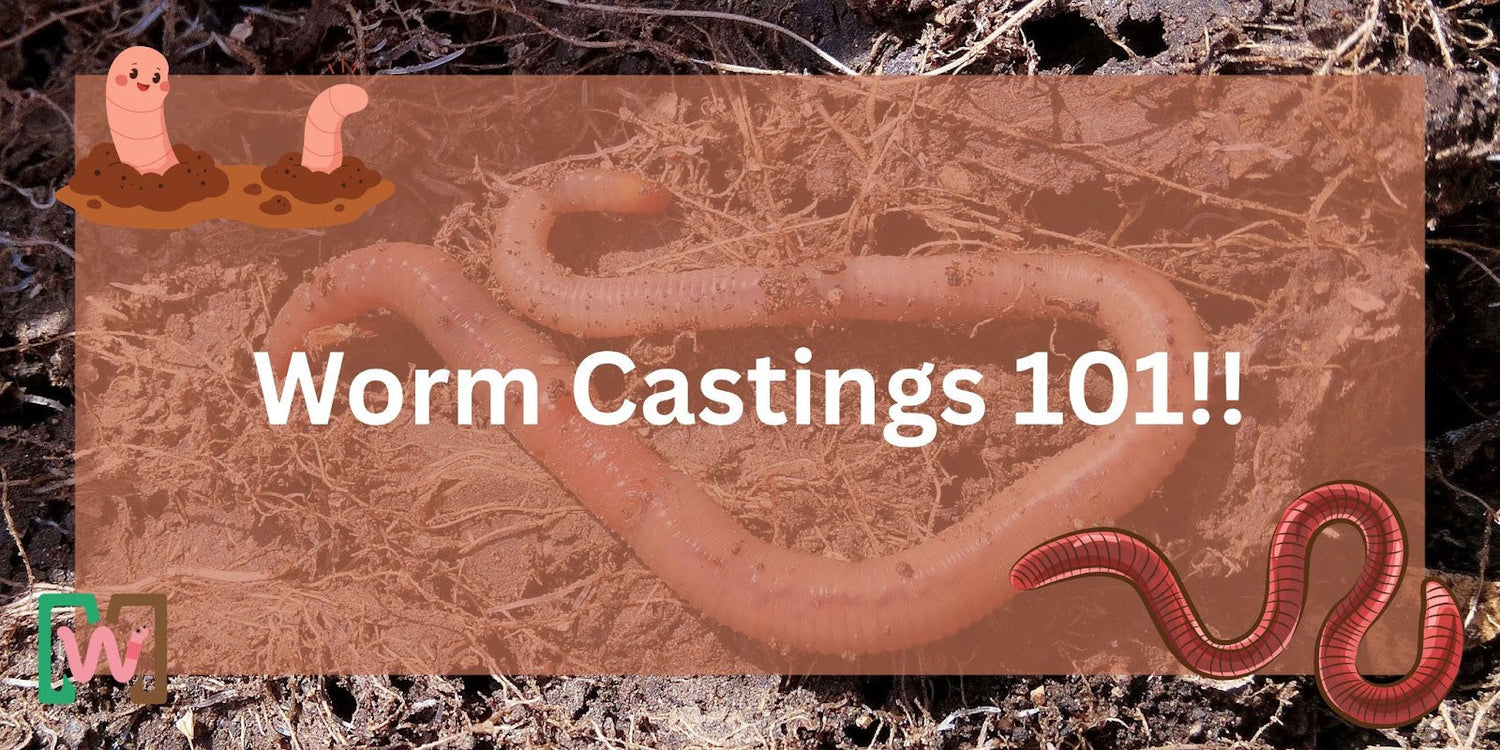
Ever wondered what worm poop has to do with perfect tomatoes? Stick around. We’re about to uncover the dirt on worm castings—and why gardeners can’t get enough of them.
What Are Worm Castings?
Let’s get this out of the way: worm castings = worm poop. But don’t let the origin gross you out—because what you’re actually looking at is some of the richest, most plant-boosting stuff your soil could ever hope for.
In more technical terms, worm castings are the nutrient-packed remains of organic matter after it’s passed through a composting worm (typically the red wiggler). As they digest food scraps, worms produce castings full of nitrogen, phosphorus, potassium, calcium, and beneficial microbes—basically, the dream team for soil health.
They look like dark, crumbly coffee grounds. They smell earthy, not gross. And they act like a magic potion for your garden.
Why Are Worm Castings Such a Big Deal?
If you’ve ever had a houseplant that just won’t thrive or tomatoes that stay stubbornly green, your soil might be crying out for a nutrient upgrade. That’s where worm castings come in.
Here’s why gardeners (and more recently, indoor plant parents) are obsessed:
● They’re gentle but effective.
Unlike chemical fertilizers that can shock your plants, castings release nutrients slowly and naturally. You can’t really overdo it.
● They balance the pH.
No more guessing games—worm castings help keep your soil in that Goldilocks zone of “not too acidic, not too alkaline.”
● They improve soil structure.
Adding worm castings enhances aeration, moisture retention, and microbial activity, making it easier for roots to spread and soak up nutrients.
● They’re packed with life.
Beneficial bacteria, enzymes, and fungi come along for the ride, creating a living, breathing soil environment your plants will love.
It’s Like Nature’s Miracle-Gro (But Better)

The best part? Worm castings are organic, chemical-free, and surprisingly low-maintenance to make. Whether you’re tossing a handful into your potted snake plant or top-dressing your garden beds, the results are visible—greener leaves, faster growth, stronger blooms.
And because they’re so balanced, they work for almost any plant: herbs, veggies, succulents, flowers, houseplants—you name it.
Real Gardeners, Real Obsession
We’re not just hyping up worm poop for the fun of it. Ask any long-time gardener what their secret is—you probably won’t get a flashy answer. They’ll just shrug, gesture toward a thriving tomato plant, and say something like, “It’s the castings, man.”
Because here’s the thing: worm castings aren’t just a fertilizer. They’re an ecosystem in a handful. It’s not about dumping nutrients and hoping for the best. It’s about feeding the soil so the soil can feed your plants—sustainably, naturally, and kind of brilliantly.
Castings support plant health holistically by:
- Protecting against pests (thanks to enzymes that repel certain bugs)
- Boosting root development
- Increasing yields in fruiting plants
- Enhancing flavor in herbs and vegetables (yes, really)
This isn’t snake oil—it’s worm oil. And it actually works.
How Are Worm Castings Made?
Worms don’t clock in like factory workers, but they do stay busy. In a vermicomposting setup, you feed worms your kitchen scraps—banana peels, coffee grounds, veggie bits—and they break it all down in their digestive systems. What comes out the other end is nutrient-dense, biologically active worm compost.
This process is called vermicomposting, and it’s easy to do at home with a simple worm bin setup. Or, if you’d rather skip the wait, you can buy premium castings directly from reputable worm farms like memesworms.com.
Is There a Catch?
Honestly? Not really. The only real downside is the learning curve if you’re starting vermicomposting at home. But once your system is rolling, it’s pretty low-effort. Worms are quiet roommates, they don’t eat much, and they’ll reward you with the best plant food you’ve ever used.
Plus, you get the satisfaction of turning food waste into something genuinely valuable. It’s like alchemy, but less shady.
Worm Castings vs. Compost: What’s the Difference?
While both are great for soil, worm castings are in a league of their own:
|
Feature |
Regular Compost |
Worm Castings |
|
Nutrient Density |
Moderate |
Extremely High |
|
Microbial Life |
Good |
Excellent |
|
pH Neutrality |
Varies |
Consistently Balanced |
|
Application |
Needs mixing |
Can be used directly |
In short, compost feeds your garden. Castings nurture it.
Final Thoughts: Tiny Poops, Huge Impact
Worm castings are one of gardening’s best-kept secrets—and now you’re in on it. Whether you’re growing a jungle on your windowsill or prepping beds for the best tomatoes of your life, this stuff is pure magic.
So the next time someone asks, “What are worm castings?” you can tell them the truth: It’s worm poop—and it’s glorious.





Leave a comment
All comments are moderated before being published.
This site is protected by hCaptcha and the hCaptcha Privacy Policy and Terms of Service apply.