


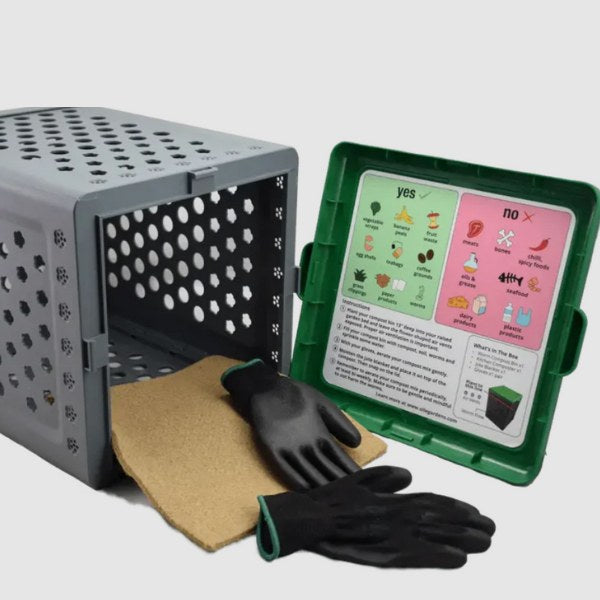


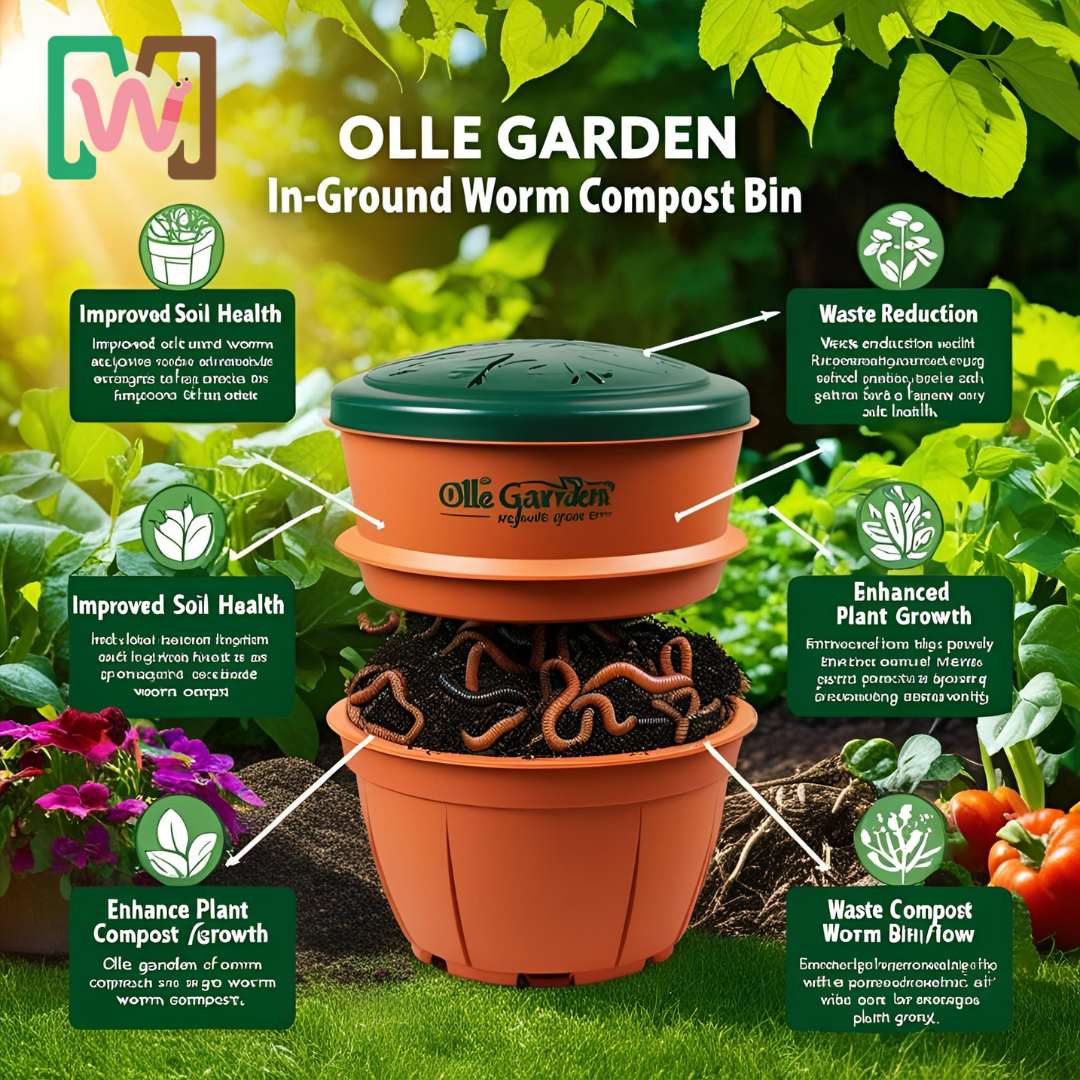
OLLE Garden In ground Worm Compost Bin
Turn Your Garden into a Living Ecosystem with the Olle Garden In Ground Worm Compost Bin
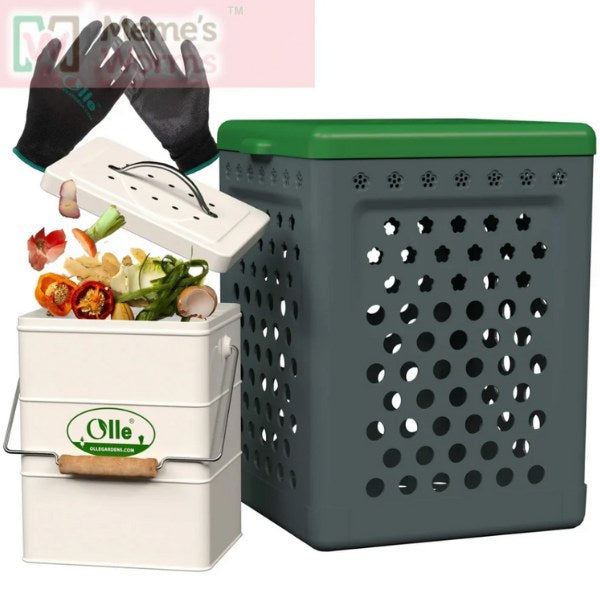
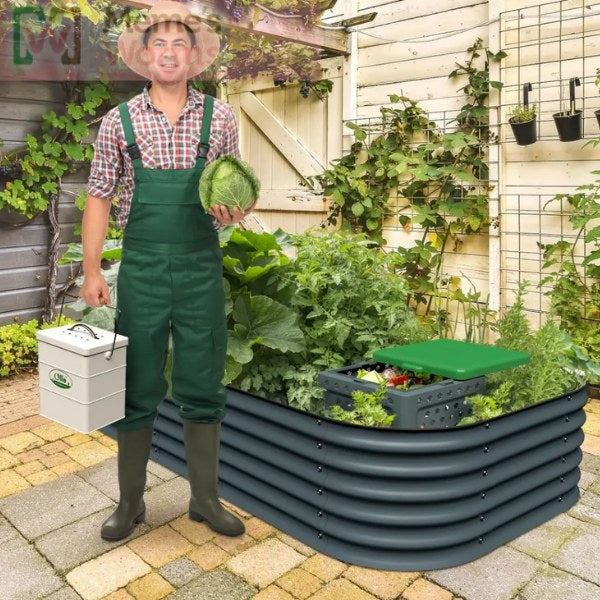
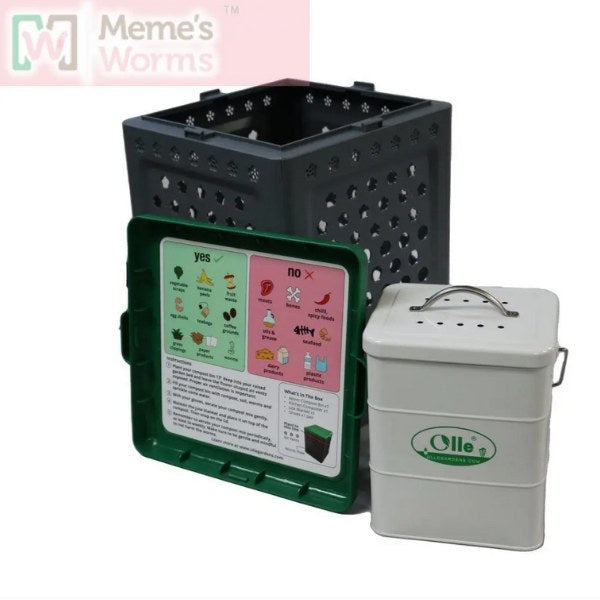
OLLE Garden In ground Worm Compost Bin. Our Worm Compost Bin comes in Olle's signature green and blends perfectly well within your garden beds and with the colors of nature.
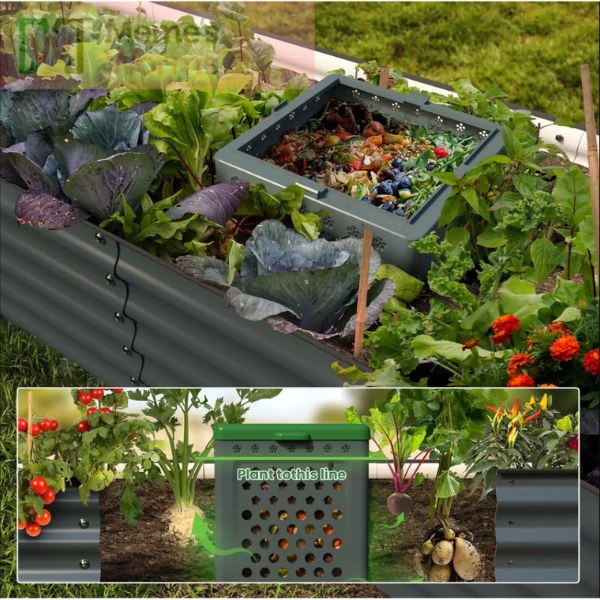
Create impact with sustainable gardening. Simply plant your worm bin 13" deep into your garden bed and feed it with food compost from your home and some worms. Your worm bin will be supplying rich nutrients to your crops in no time. Just sit back and relax while the worms do the work.
Design With Purpose
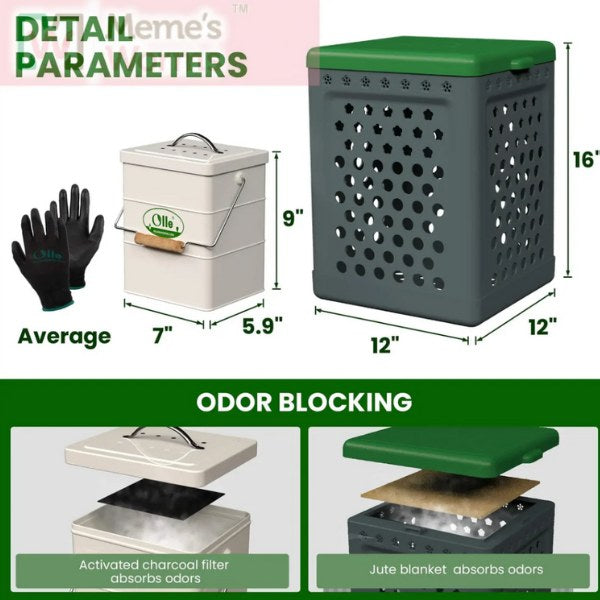
Manufactured with fine craftsmanship and material. Designed to ensure proper ventilation and to keep your worms healthy.
Compact
Olle's Worm Bin is compact and fits perfectly in your Olle Garden Beds. If one is not enough, there is space to fit two in most of our garden beds.
No Assembly Required
You can directly use the worm bin that comes in the package, no assembly required.
If you’ve ever dreamed of a thriving, nutrient-rich garden without the hassle of managing a traditional compost heap, good news. Meme’s Worms and the Olle Garden In Ground Worm Compost Bin are here to make composting as easy, clean, and effective as it’s ever been.
Designed to fit right into your garden bed, this in-ground bin turns your worms into tireless workers, breaking down food scraps and enriching your soil naturally—all without messy piles, smells, or trips to the compost corner.
Ready to level up your garden (and make the planet a little greener while you’re at it)? Let’s dig in.
Step by Step: How to Start Your In Ground Worm Farm
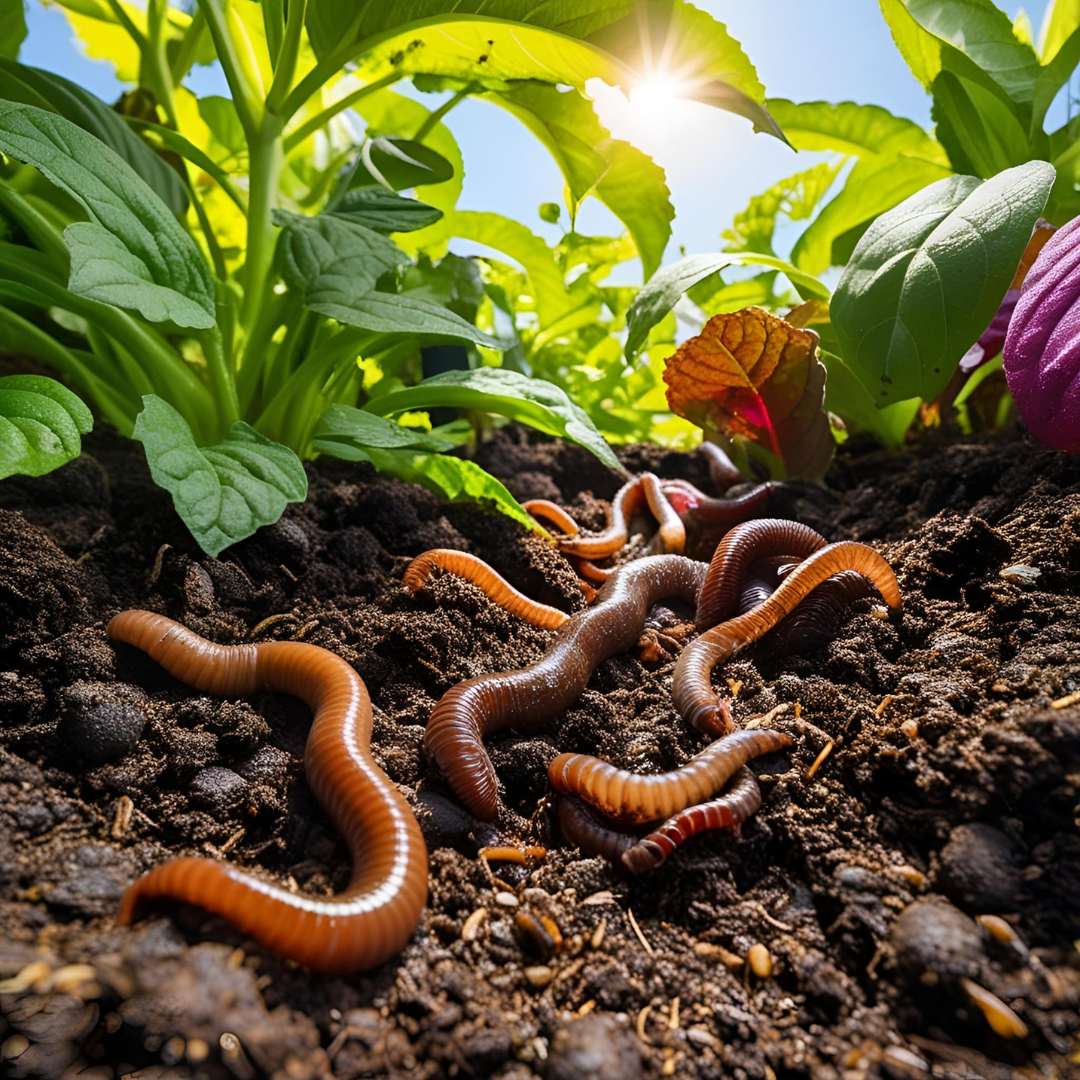
Starting your own in ground worm farm is surprisingly easy. Here’s how:
1. Pick Your Spot
Find a sunny-to-partial-shade area in your garden or raised bed.
2. Dig a Hole
Make it just deep enough to insert the Olle bin up to its rim.
3. Prepare Bedding
Line the bottom of the bin with shredded newspaper, coconut coir, or aged compost.
4. Add Worms
Red wigglers (Eisenia fetida) are the gold standard for in ground vermiculture. They’re fast eaters and thrive in close quarters.
5. Start Feeding
Toss in a handful of food scraps, then lightly cover with bedding. Keep adding scraps every few days.
6. Maintain
Check moisture once in a while—it should feel like a wrung-out sponge. Add water if it’s too dry.
7. Harvest (Optional)
Worm castings build up over time. You can scoop a little out now and then to sprinkle elsewhere, or just let it naturally enrich the bed.
And that’s it—you’ve officially joined the vermicomposting in ground movement!
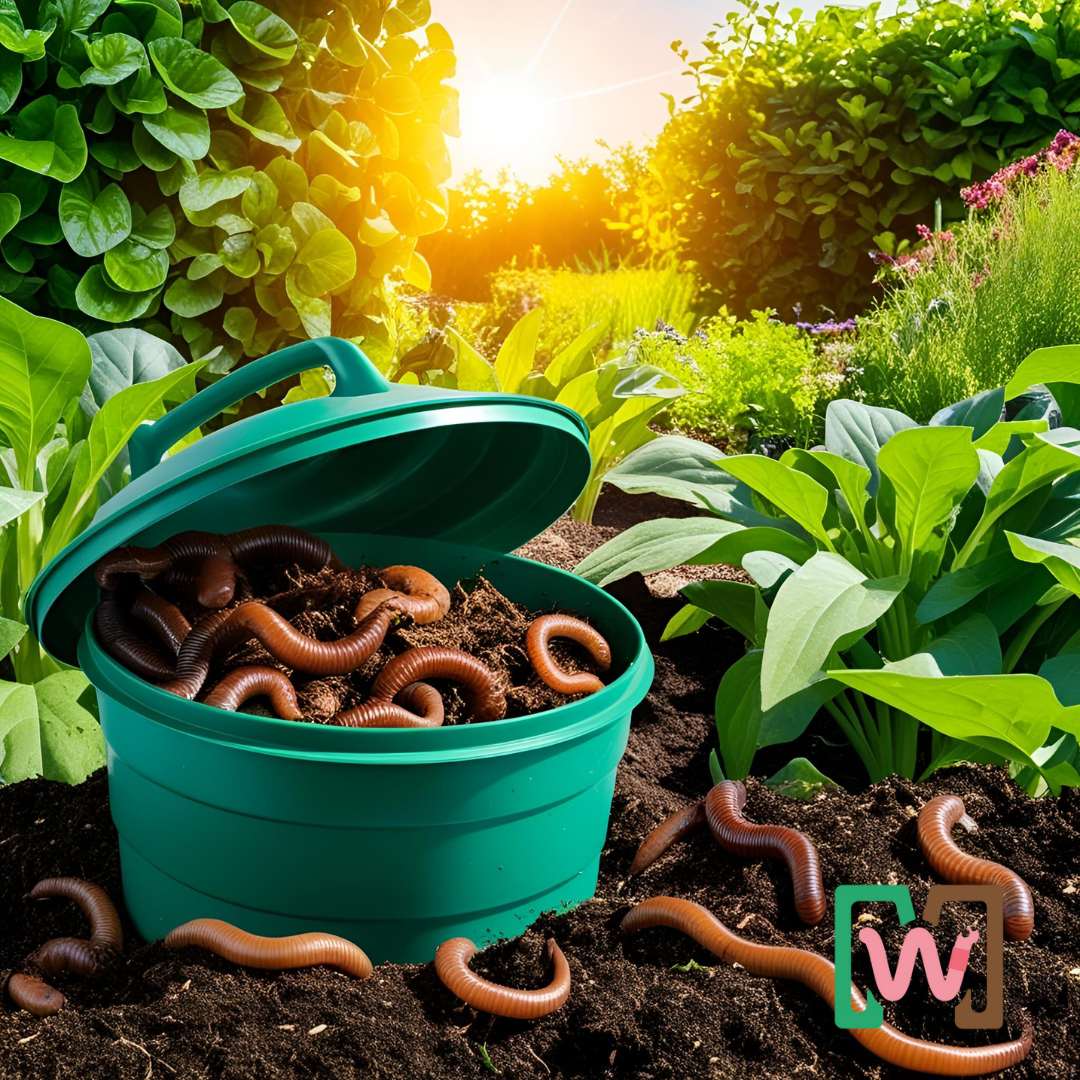
What Is In Ground Worm Composting?
You’ve probably heard of worm bins sitting on patios or garages.
In ground worm composting takes that idea and puts it directly into the soil where it belongs.
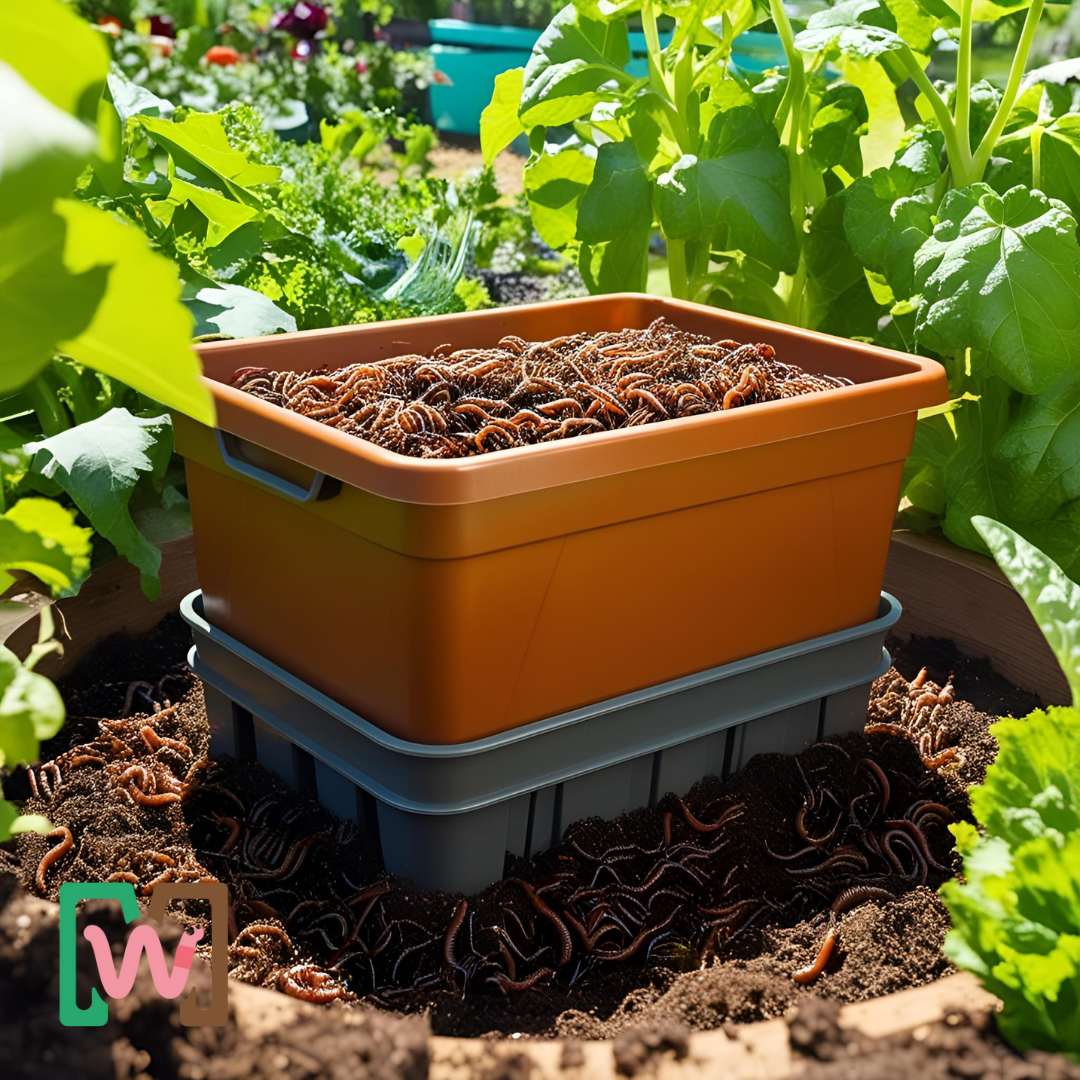
Instead of dealing with a messy container sitting on your porch—or dragging heavy compost bins around—you simply tuck an in ground worm composter right into your garden bed, lawn, or raised bed.
It’s like setting up a cozy underground apartment for your worms, right where the magic needs to happen.
Inside this buried bin, your worms set up shop. They spend their days doing what worms do best: munching away on your kitchen scraps, bits of garden clippings, and other organic odds and ends.
All that hard work turns into nutrient-dense worm castings—basically, the richest, most plant-friendly fertilizer nature knows how to make. (Gardeners often call it black gold for a reason.)
The best part? You don’t even have to move it around.
Those nutrients slowly, naturally seep out into the surrounding soil, feeding your plants right at the root level. No hauling compost back and forth. No extra work. Just a steady, 24/7 drip-feed of organic goodness happening under the surface.
How an In-Ground Worm Bin Works?
You’ve probably heard of worm bins sitting on patios or garages.
In ground worm composting takes that idea and puts it directly into the soil where it belongs.
Instead of dealing with a messy container sitting on your porch—or dragging heavy compost bins around—you simply tuck an in-ground worm composter right into your garden bed, lawn, or raised bed.
It’s like setting up a cozy underground apartment for your worms, right where the magic needs to happen.
Inside this buried bin, your worms set up shop. They spend their days doing what worms do best: munching away on your kitchen scraps, bits of garden clippings, and other organic odds and ends.
All that hard work turns into nutrient-dense worm castings—basically, the richest, most plant-friendly fertilizer nature knows how to make. (Gardeners often call it black gold for a reason.)
The best part? You don’t even have to move it around.
Those nutrients slowly, naturally seep out into the surrounding soil, feeding your plants right at the root level. No hauling compost back and forth. No extra work. Just a steady, 24/7 drip-feed of organic goodness happening under the surface.
Benefits of the Olle Garden In-Ground Worm Compost Bin
When you choose the Olle Garden In-Ground Worm Compost Bin, you’re not just getting a container—you’re getting an upgrade for your entire backyard ecosystem.
Here’s why gardeners love it:
Soil Enrichment Right at the Roots
Your plants benefit immediately from worm castings without you lifting a finger. It’s like IV nutrition for your garden.
No Mess, No Smell
Since everything happens underground, you’ll never deal with that “uh-oh” compost smell—or critters rummaging through your pile.
Low Maintenance
Traditional composting requires flipping and turning piles. With in-ground worm composting, you just feed your worms and let them do their thing.
Natural Pest Control
Healthier soil equals healthier plants, which naturally repel many common garden pests.
Durable and Eco-Friendly Materials
The Olle bin is built tough to withstand seasons of use and is made from sustainable, planet-friendly materials.
Compact and Discreet
It blends right into your garden bed—no big, bulky compost tumblers taking up prime yard real estate.
In ground worm farm, in ground worm bed, in ground worm tower—whatever you want to call it—this little powerhouse delivers big results.
FAQs About In Ground Vermicomposting
Can I use an in-ground worm bin in winter?
Absolutely, but you’ll want to take a few precautions.
In colder climates, add extra bedding for insulation and reduce feeding when temperatures drop below freezing. In moderate winters, your worms will just slow down but survive underground.
What worms work best?
Red wigglers (Eisenia fetida) are your MVPs.
They’re hearty, love rich environments, and are natural-born composters—ideal for worm farming in ground setups.
Does it smell?
Nope! Properly managed in ground vermicomposting smells like fresh soil.
If you notice odors, you’re probably overfeeding—or adding the wrong materials (like dairy or meat, which you should avoid).
How often do I feed it?
Typically, 1–2 times a week, depending on the number of worms and the volume of scraps.
A good rule? Only add more food once the previous batch is mostly gone.
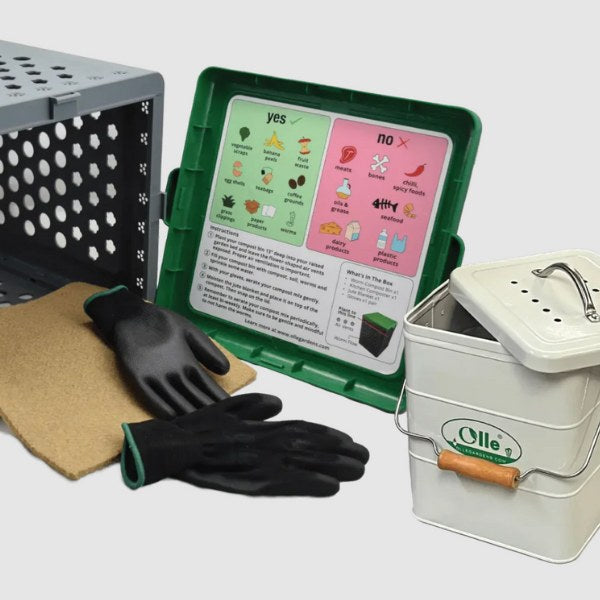
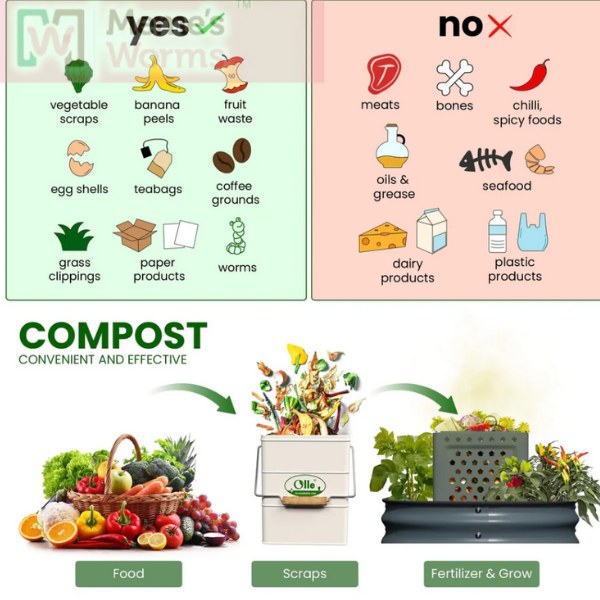
What can/can’t I compost?
Compost:
- Vegetable peels
- Coffee grounds
- Tea bags
- Crushed eggshells
- Shredded newspaper
Avoid:
- Meat, dairy, and oily foods
- Citrus peels (in excess)
- Spicy scraps like onions or garlic
Stick to the worm-approved diet, and your worm composting in ground setup will thrive!
Ready to Grow Healthier Gardens, Naturally?
If you want better soil, stronger plants, and an easier way to compost without the mess, it’s time to go underground.
The Olle Garden In-Ground Worm Compost Bin makes starting your own in ground worm bin effortless—and you’ll love how fast your garden starts showing the results.
Why Choose Meme's Worms?