

The 3 Main Types of Worms

The 3 Main Types of Worms Meme's Worms


memes worms valdosta georgia

We get asked this question over and over. 


Believe it or not, all worms are not created equal. There are three main types of worms, each one has different characteristics that make them unique.

Must Read : Composting Helps Your Soil & Your Soul


Each one of the 4400 + named species of worms on earth can be broken down into these three main categories: 

Anecic (Greek for “out of the earth”) – these are burrowing worms that come to the surface at night to drag food down into their permanent burrows deep within the mineral layers of the soil. The common nightcrawler (also known as Canadian Nightcrawler, Dew Worm & Common Earthworm) is in this category. These worms build vertical permanent burrows that extend over six feet below the earth’s surface. Believe it or not, but these worms can actually recognize their own burrows and return to it day after day.

valdosta georgia worms

These worms feed on decaying litter and therefore must visit the surface on a regular basis. They are solitary worms and do not like living in high worm populations.

Endogeic (Greek for “within the earth”) – these are also burrowing worms but their burrows are typically more shallow and they feed on the organic matter already in the soil. These worms are the only type of worm that will actually eat soil as well as decaying organic material. These worms rarely come to the earth’s surface and spend most of their time underground in their lateral burrow systems.

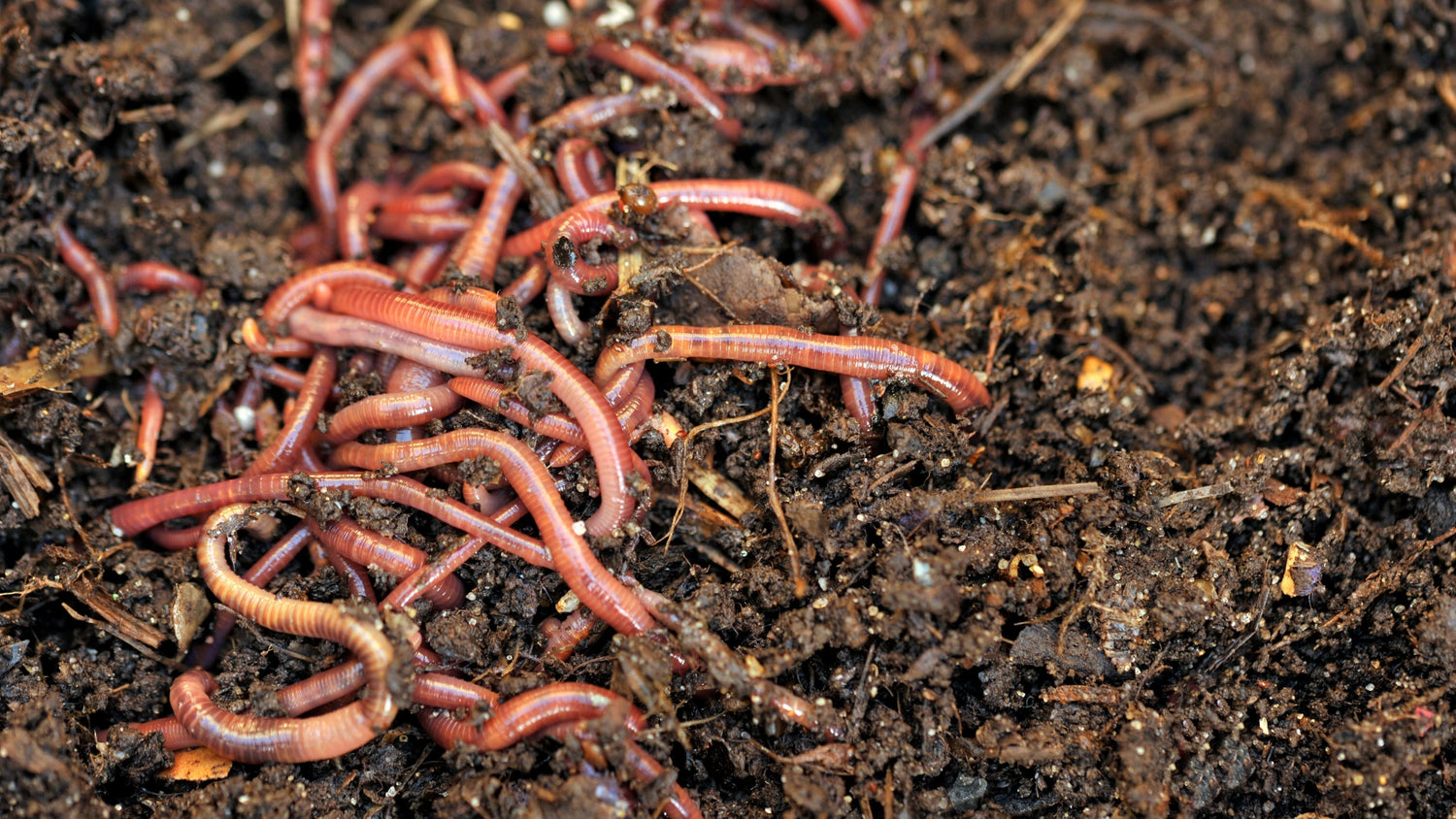
Epigeic (Greek for “upon the earth”) – these worms live in the surface litter and feed on decaying organic matter. They do not have permanent burrows. These “decomposers” are the type of worm used in vermicomposting. These are our special little garbage men that work for food. They thrive in large groups and are surface feeders, not burrowers. Red Wigglers & European Nightcrawlers are both categorized in this group of composting worms. Becuase they do not build burrows, they do well in worm bins and appreciate the constant food source and moist environments that we provide for them.

I hope this helps you to gain a little understanding of the workings of earthworms and why purchasing the right kind of worm for your bin is important to your success.

Must Read : Red Wiggler Worms 101: Everything You Need to Know About Eisenia Fetida

Understanding the 3 Main Types of Worms

Worms play a crucial role in soil health and composting. They are categorized into three main types based on their habitat and behavior:

  1. Anecic Worms: These are deep-burrowing worms that create permanent vertical burrows. They come to the surface at night to drag food into their burrows. The common nightcrawler (Lumbricus terrestris) is a prime example.
  2. Endogeic Worms: These worms live in horizontal burrows within the soil and feed on decomposing organic matter. They are less commonly used in composting but contribute to soil aeration.
  3. Epigeic Worms: Surface-dwelling worms that thrive in decaying organic matter. Red Wigglers (Eisenia fetida) are the most popular for composting due to their rapid reproduction and appetite for organic waste.

Recommended Products from Meme’s Worms

To enhance your composting efforts, consider the following products:

  • Red Wiggler Worms: Ideal for composting, these worms process organic waste efficiently.
  • Nightcrawler Worms: Suitable for soil aeration and can be used as fishing bait.
  • Worm Castings: Nutrient-rich fertilizer produced by worms, perfect for enriching garden soil.

Leave a comment

All comments are moderated before being published.

This site is protected by hCaptcha and the hCaptcha Privacy Policy and Terms of Service apply.

Frequently Asked Questions

Samantha Flowers

Hi, I’m Samantha aka Meme, founder of Meme’s Worms, a commercial worm farm based in Valdosta, Georgia. I’m a hands-on worm farmer, educator, and business owner who has spent years raising, harvesting, and shipping Red Wigglers, European Nightcrawlers, and composting worms to gardeners, homesteaders, educators, and commercial growers across the United States. Everything I teach and write about here is based on real-world experience, not theory. View More

Know More Worm Knowledge

View all

Red Wigglers vs Earthworms: The Composter's Guide

Welcome, fellow composting enthusiasts! If you're diving into the world of composting, you've likely come across the terms "red wigglers" and "earthworms." But did you know that red wigglers are a ...

Red Wiggler Worms 101: Everything You Need to Know About Eisenia Fetida

This guide unpacks everything about Eisenia Fetida: how they live, eat, breed, and help us build a cleaner, greener world.

Do It Yourself Worm Compost Bin: A Simple DIY Guide That Works

In this guide, I will show you exactly how I build a diy worm farm step by step. I will explain what you need, how to set it up, and how to keep it working. I will keep everything simple, clear, an...

Know More About Red Wigglers

View all

Summer Feeding Guide for Red Wigglers (What to Feed & Avoid)

Hi, I’m Samantha Flowers from Memes Worms, and after years of raising red wigglers and managing worm bins, I’ve learned that summer feeding can make a huge difference in worm health and compost qua...

15 Proven Ways to Keep Red Wigglers Cool & Productive in Summer (2026 Guide)

Learn how to keep red wigglers cool in summer with 15 proven tips. Prevent worm loss, boost composting, and maintain a healthy bin in 2026.

truth about pure red wigglers

Truth About “Pure Red Wigglers”: Why I Changed How I Talk About My Worms

I break down the real difference between Eisenia fetida and Eisenia andrei in simple terms. You will learn why these red wigglers are almost impossible to tell apart, why “pure species” claims are ...

Know More About Euros

View all

Advantages of European Nightcrawlers

If you’ve ever tried composting with worms, you already know something important: Worms are tiny… but they can change everything. I’m Samantha (most people call me Meme), and I run Meme’s Worms. I ...

How to Care for European Nightcrawlers (Composting Guide)

Hi, I’m Samantha—most people call me Meme—founder of Meme’s Worms, a commercial worm farm based in Valdosta, Georgia. I raise, harvest, and ship European Nightcrawlers every week inside an active c...

Best Bedding for European Nightcrawlers (Composting Guide)

If you want European Nightcrawlers to stay alive, grow big, and reproduce, bedding matters more than food. I see more worms lost from bad bedding than from anything else. European Nightcrawlers nee...

More About Vermicomposting?

View all
composting worms

Creative Ways to Use Worm Castings for a Thriving Garden - Boost Your Plants Naturally

Worm castings are a natural and effective way to boost your garden's health. They’re versatile, packed with nutrients, and beneficial for improving soil quality, starting seeds, controlling pests, ...

DIY Worm Bins, easy and inexpensive. Start Your Vermicomposting Adventure Today!

Hi, I’m Samantha — but most people call me Meme. I raise composting worms every day in real worm bins and production systems. I’ve also killed more worms than most beginners will ever own. That’s h...

Vermiculture 101: How To Start A Worm Farm as a Business or a Hobby

If you’ve ever wondered whether worm farming is worth it — or even possible — you’re not alone. Many people come to me asking how to start a worm farm and whether it can be more than just a hobby. ...