



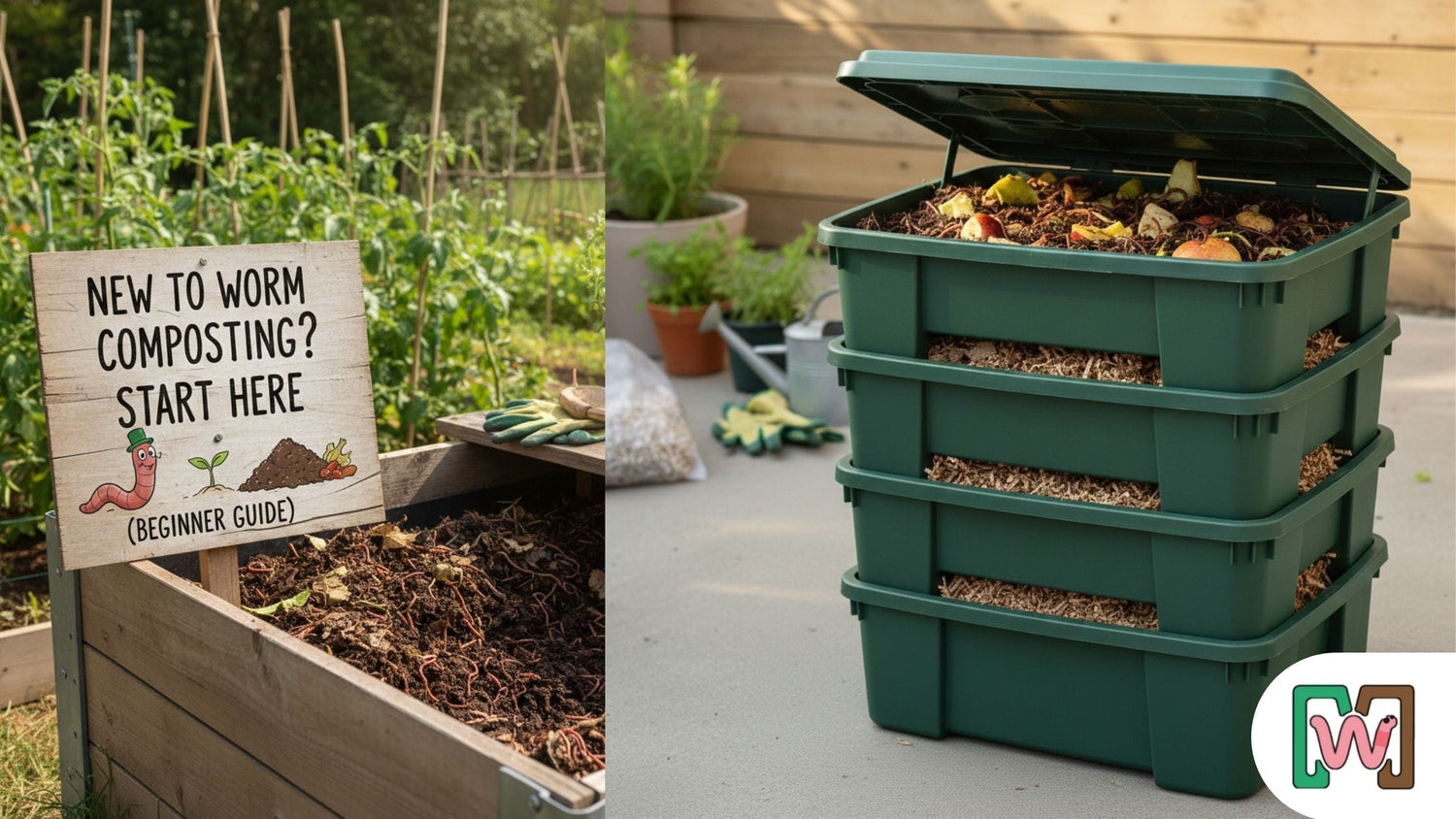
If you’re new to worm composting, start with Red Wigglers, simple bedding, and a small bin. Most beginner failures happen because of wrong worm choices or skipped basics — not because worm composting is hard.
I’m Meme — and I Built This for Beginners
I’m Samantha (most folks call me Meme), and I run a commercial worm farm in Georgia. I raise, harvest, and ship composting worms every week — and I help beginners fix bins that didn’t work the first time.
If you’re overwhelmed, confused, or worried about killing worms, this page is your starting point. I built it so you don’t have to guess.
Step 1: Choose the Right Composting Worms
Not all worms compost. This is where most beginners go wrong.
Some worms live deep in soil. Others live near the surface and eat decaying organic matter. Only composting worms belong in bins.
👉 Start here:
How to Choose the Best Composting Worms (Beginner Guide)
This explains:
- Which worms actually work in bins
- Why Red Wigglers are best for beginners
- Red Wigglers vs Nightcrawlers (simple explanation)
- Why yard worms usually fail
Step 2: Learn How Worm Composting Works
Once you know which worms to use, the next step is understanding the system.
A healthy worm bin depends on:
- Bedding
- Moisture
- Airflow
- Temperature
- Microbes (this matters more than food)
👉 Worm Composting at Home (Simple Setup Guide)
👉 6 Fundamental Requirements for Success With Worms
These guides explain why bins fail when just one thing is off.
Step 3: Get Bedding and Moisture Right
Bedding matters more than food. I see more worm deaths from bad bedding than anything else.
Good bedding:
- Holds moisture without drowning worms
- Allows airflow
- Feeds microbes
- Buffers acidity
👉 Worm Bedding: 9 Awesome Choices
👉 Correct Moisture in Your Worm Bin
👉 Optimizing Worm Bedding for Maximum Vermicomposting Success
Step 4: Avoid the Most Common Beginner Mistakes
If your bin smells, has flies, or worms are trying to escape — don’t panic. These are common and fixable.
👉 6 Common Worm Bin Problems (And How to Fix Them)
👉 Banishing Bad Smells in Your Worm Composting Bin
👉 New to Worm Composting? Avoid These Beginner Mistakes
Most problems come from:
- Overfeeding
- Wet bedding
- Poor airflow
- Choosing the wrong worm
Step 5: Understand Worm Growth and Reproduction
Healthy bins grow slowly and steadily. Worm composting is not instant.
👉 How Worms Reproduce (Simple Explanation)
👉 How Long Do Worms Live?
👉 Red Wiggler Reproduction (Beginner Guide)
This helps set realistic expectations so you don’t think something is wrong when it isn’t.
Ready to Start the Easy Way?
If you want worms raised specifically for composting — not bait, not mixed species — start here:
👉 Shop Composting Worms
👉 Shop Red Wigglers (Beginner-Friendly)
Everything I sell is backed by the same systems I teach on this page.
How do beginners start worm composting?
Beginners should start worm composting with Red Wigglers, simple bedding, proper moisture, and a small bin. Most success comes from starting simple and avoiding overfeeding.
People Also Ask
What worms are best for beginners?
Red Wigglers are the best worms for beginners because they live well in bins, tolerate mistakes, and reproduce quickly.
Is worm composting hard?
No. Worm composting is simple when the basics are followed. Most problems come from overfeeding or poor bedding, not the worms.
Can I use worms from my yard?
Yard worms usually fail in bins because they live deep in soil and do not thrive in confined compost systems.
How long does it take for worm composting to work?
You can see results in a few weeks, but full composting takes several months depending on bin size and conditions.
From Me to You
Worm composting isn’t hard — guessing makes it hard.
Follow the steps on this page in order, and you’ll avoid most beginner problems before they happen. This page is your home base. Any time you feel stuck, start here again.




Leave a comment
All comments are moderated before being published.
This site is protected by hCaptcha and the hCaptcha Privacy Policy and Terms of Service apply.