

15 Reasons To Start A Worm Farm

Meme's Blog Meme's Worms

Why You Should Start a Worm Farm

Worms are an invaluable part of the composting process, and starting a worm farm is an easy way to get your hands on a steady supply of them. Not only are worms great for composting, but they can also be used in a variety of other ways. Here are 15 reasons why you should start a worm farm.


15 Reasons You Should Start A Worm Farm

  1. Worms help break down kitchen scraps into nutrient-rich fertilizers. By having your own supply of worms, you'll be able to speed up the composting process and create nutrient-rich soil for your garden or houseplants.
  2. You don't need much space to start a worm farm.
  3. All you need is a bin with proper drainage, some bedding material such as shredded paper, and enough food scraps to keep your worms fed.
  4. Worms don't require much maintenance; all you have to do is make sure they have enough food and water and that their environment stays moist and cool.
  5. Worms reproduce quickly so you won't need to buy new ones very often; once your population reaches its desired size, it will stay that way for many years to come!
  6. If you ever want more worms, it's easy to divide them into two separate bins so that each bin has its own healthy population of worms.
  7. Starting a worm farm is an inexpensive way to reduce your environmental footprint by cutting down on food waste that would otherwise end up in landfills or incinerators releasing harmful pollutants into the air we breathe!
  8. A worm farm can make a great science project for kids; it's fun and educational at the same time!
  9. You can use the nutrient-rich fertilizer produced by your worms on plants both indoors and outdoors; this will give them an extra boost of nutrients they may not be getting from traditional fertilizers!
  10. The castings (worm poo) produced by your worms can also be used as potting soil for seedlings or young plants that need extra nutrients in order to thrive! If you're looking for ways to cut down on plastic waste in your home, using castings instead of store-bought potting soil can help reduce plastic consumption since most potting soils come in plastic bags or containers!

11 . Worm farms can act as natural filters for wastewater from sinks, showers, etc.; this helps reduce strain on septic systems and prevents harmful chemicals from entering our waterways!

12 . Worm farms are great habitats for beneficial insects like ladybugs - providing these helpful critters with food sources like decaying plant matter will help keep pests away from gardens without having to resort to chemical controls!

13 . You can even harvest honeybees from a properly managed worm farm - just make sure they have plenty of flowering plants nearby so they'll have nectar sources when they're out gathering pollen!

14 . Worm farms are low-maintenance pets that require minimal care - just feed them regularly and provide some shelter (like cardboard boxes) where they can hide if needed!

15 . Last but not least, owning a worm farm is incredibly rewarding seeing how nature works in action right before your eyes - what could be better than that?
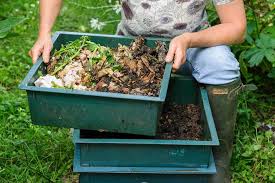

Starting a worm farm is an easy way to get access to valuable composting materials while also reducing waste and helping the environment at the same time! Not only are worms great for producing nutrient-rich fertilizer but they can also act as natural filters for wastewater, and provide habitats for beneficial insects like ladybugs! Plus, owning a worm farm is incredibly rewarding—what could be better than that? So if you’re looking for something fun yet educational then starting up your own worm farm might just be the perfect project for you!

Buy a Beginner Composting Bundle

Leave a comment

All comments are moderated before being published.

This site is protected by hCaptcha and the hCaptcha Privacy Policy and Terms of Service apply.

Frequently Asked Questions

Samantha Flowers

Hi, I’m Samantha aka Meme, founder of Meme’s Worms, a commercial worm farm based in Valdosta, Georgia. I’m a hands-on worm farmer, educator, and business owner who has spent years raising, harvesting, and shipping Red Wigglers, European Nightcrawlers, and composting worms to gardeners, homesteaders, educators, and commercial growers across the United States. Everything I teach and write about here is based on real-world experience, not theory. View More

Know More Worm Knowledge

View all

Red Wigglers vs Earthworms: The Composter's Guide

Welcome, fellow composting enthusiasts! If you're diving into the world of composting, you've likely come across the terms "red wigglers" and "earthworms." But did you know that red wigglers are a ...

Red Wiggler Worms 101: Everything You Need to Know About Eisenia Fetida

This guide unpacks everything about Eisenia Fetida: how they live, eat, breed, and help us build a cleaner, greener world.

Do It Yourself Worm Compost Bin: A Simple DIY Guide That Works

In this guide, I will show you exactly how I build a diy worm farm step by step. I will explain what you need, how to set it up, and how to keep it working. I will keep everything simple, clear, an...

Know More About Red Wigglers

View all

15 Proven Ways to Keep Red Wigglers Cool & Productive in Summer (2026 Guide)

Learn how to keep red wigglers cool in summer with 15 proven tips. Prevent worm loss, boost composting, and maintain a healthy bin in 2026.

truth about pure red wigglers

Truth About “Pure Red Wigglers”: Why I Changed How I Talk About My Worms

I break down the real difference between Eisenia fetida and Eisenia andrei in simple terms. You will learn why these red wigglers are almost impossible to tell apart, why “pure species” claims are ...

How to Choose the Best Composting Worms (Beginner Guide From a Commercial Worm Farmer)

The best composting worms for beginners are Red Wigglers. They live well in bins, eat fast, handle mistakes, and reproduce quickly. Most worm bin failures come from choosing the wrong worm or buyin...

Know More About Euros

View all

Advantages of European Nightcrawlers

If you’ve ever tried composting with worms, you already know something important: Worms are tiny… but they can change everything. I’m Samantha (most people call me Meme), and I run Meme’s Worms. I ...

How to Care for European Nightcrawlers (Composting Guide)

Hi, I’m Samantha—most people call me Meme—founder of Meme’s Worms, a commercial worm farm based in Valdosta, Georgia. I raise, harvest, and ship European Nightcrawlers every week inside an active c...

Best Bedding for European Nightcrawlers (Composting Guide)

If you want European Nightcrawlers to stay alive, grow big, and reproduce, bedding matters more than food. I see more worms lost from bad bedding than from anything else. European Nightcrawlers nee...

More About Vermicomposting?

View all
composting worms

Creative Ways to Use Worm Castings for a Thriving Garden - Boost Your Plants Naturally

Worm castings are a natural and effective way to boost your garden's health. They’re versatile, packed with nutrients, and beneficial for improving soil quality, starting seeds, controlling pests, ...

DIY Worm Bins, easy and inexpensive. Start Your Vermicomposting Adventure Today!

Hi, I’m Samantha — but most people call me Meme. I raise composting worms every day in real worm bins and production systems. I’ve also killed more worms than most beginners will ever own. That’s h...

Vermiculture 101: How To Start A Worm Farm as a Business or a Hobby

If you’ve ever wondered whether worm farming is worth it — or even possible — you’re not alone. Many people come to me asking how to start a worm farm and whether it can be more than just a hobby. ...