



Soil and plant benefits of worm composting
Worm composting is an excellent way to improve the quality of your soil and provide nutrients for your plants. By using worms to break down organic matter, you can create a nutrient-rich compost that will benefit your garden in many ways. Not only will it improve the drainage and structure of your soil, but it will also provide essential nutrients for your plants. In this blog post, we'll take a closer look at the benefits of worm composting and how you can get started.
What are some of the benefits of healthy soil?
Healthy soil is incredibly beneficial for maintaining a healthy ecosystem. Not only can healthy soil contribute to improved plant growth and resistance, it also helps to maintain air and water quality in the surrounding area. Additionally, healthy soil acts as a natural carbon sink, trapping carbon dioxide that would otherwise be released into the atmosphere with dire implications for global climate change. Perhaps most importantly of all, the presence of earthworms can signal a healthy environment for planting. Worm composting adds the valuable nutrient needed for topsoil to stay productive and full of microbial life. This in turn positively affects soil structure and fertility, leading to better aeration conditions and allowing plants greater access to essential nutrients needed for optimum growth. Consequently, worm composting has many benefits that allow plants to thrive while helping keep our environment clean and safe.
How do I start Worm Composting?
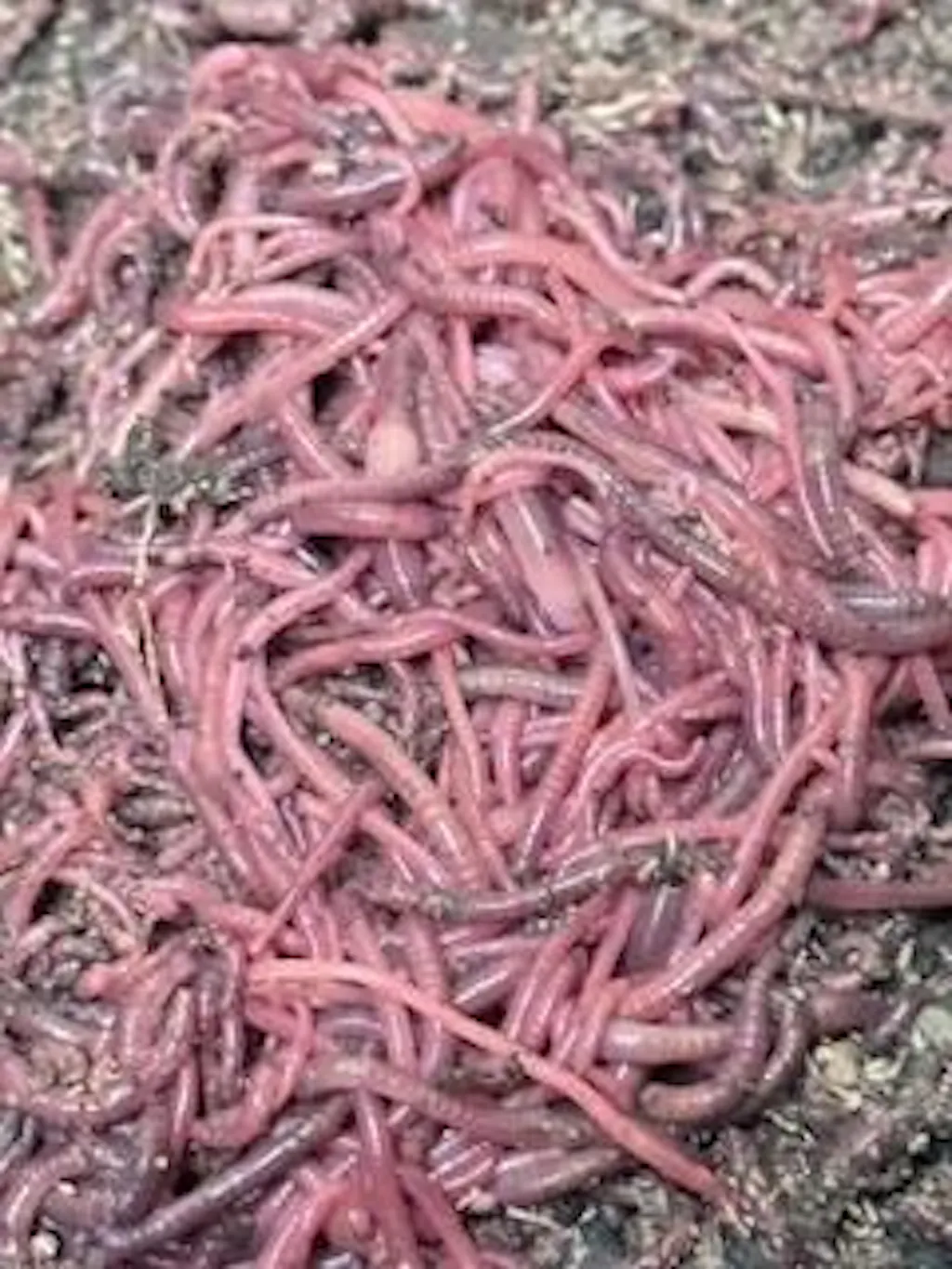
Are you ready to get started on improving the quality of your soil and plants with worm composting? Worm composting is a simple, natural way to turn organic waste into a nutrient-rich fertilizer for your garden. To begin, all you need is red wigglers, food scraps, and a home for your worms. The red wigglers are the workhorses of composting that break down the organic material. You can purchase red wigglers from multiple sources online or in local stores. With red wigglers in hand and an appropriate container, you can easily start building your worm bin. Finally, add some bedding material, put in enough food scraps for the worms to eat, sit back, and watch as nature does its magic!
Worm composting can help reduce the amount of landfill waste
Worm composting is a fantastic way to help reduce the amount of waste we send to landfills - and it has other benefits too! Not only does it break down organic matter, like food scraps and plant debris, but worm compost also works to enrich the soil with beneficial microbes, improve nutrient retention, and create an environment that is full of vital air pockets. These additions improve efforts to maintain healthy plants, by giving them access to much-needed nutrients. Worm composting can be easily done at home and reduces household disposal costs significantly. Ultimately, adopting this form of waste management is both affordable and eco-friendly!
Worms provide nutrients for plants, which can lead to healthier plants
Worm composting is a form of soil amendment that can be beneficial in helping improve the health of your plants. Worms process organic materials and expel them as castings, which are an all-natural fertilizer for plants. The castings are filled with essential nutrients like nitrogen, phosphorus and potassium that help promote plant health and growth. Adding worms to your compost can help speed up the process by breaking down decaying materials into more easily absorbed substances for your plants to use. Furthermore, the waste from worms not only acts as a nutrient source but also helps enrich the overall soil quality by increasing aeration, drainage and water retention. In order to reap these benefits for your garden or other plants, look no further than worm composting!
Worm composting is an easy way to recycle your food scraps
Worm composting is an environmentally friendly and simple method to reduce food waste while creating nutritious soil and boosting plant growth. This practice is gaining popularity in both residential and commercial settings, where worms rely on the scraps of their human hosts to digest organic matter, create nutrient-rich compost, and improve the fertility of the soil. Additionally, the presence of worms in your garden or container can increase root health, provide necessary nutrients to your plants, suppress certain plant diseases and improve drainage for potted plants. It's easy to get started with worm composting; all you need are a few bins, bedding material for the worms and a regular supply of food scraps from your kitchen!
In conclusion, worm composting can be an easy, beneficial way to add nutrients to your soil and plants while reducing landfill waste. It not only helps create air pockets that aerate the soil but provides a natural source of nutrients while safely breaking down organic matter. If done correctly, worms are easy to manage and maintain, and can even turn food scraps into valuable compost for your garden. Whether you're an avid gardener or a novice working on getting your green thumb started, worm composting is a great way to balance ecology in the home garden. So if you are ready to start receiving all of these benefits from worm composting consider visiting Memesworms.com for more information on how to get started today!





2 comments
Anonymous
You certainly can or just add some castings.
Damon
Do you add worms to a container garden?
Leave a comment
All comments are moderated before being published.
This site is protected by hCaptcha and the hCaptcha Privacy Policy and Terms of Service apply.