



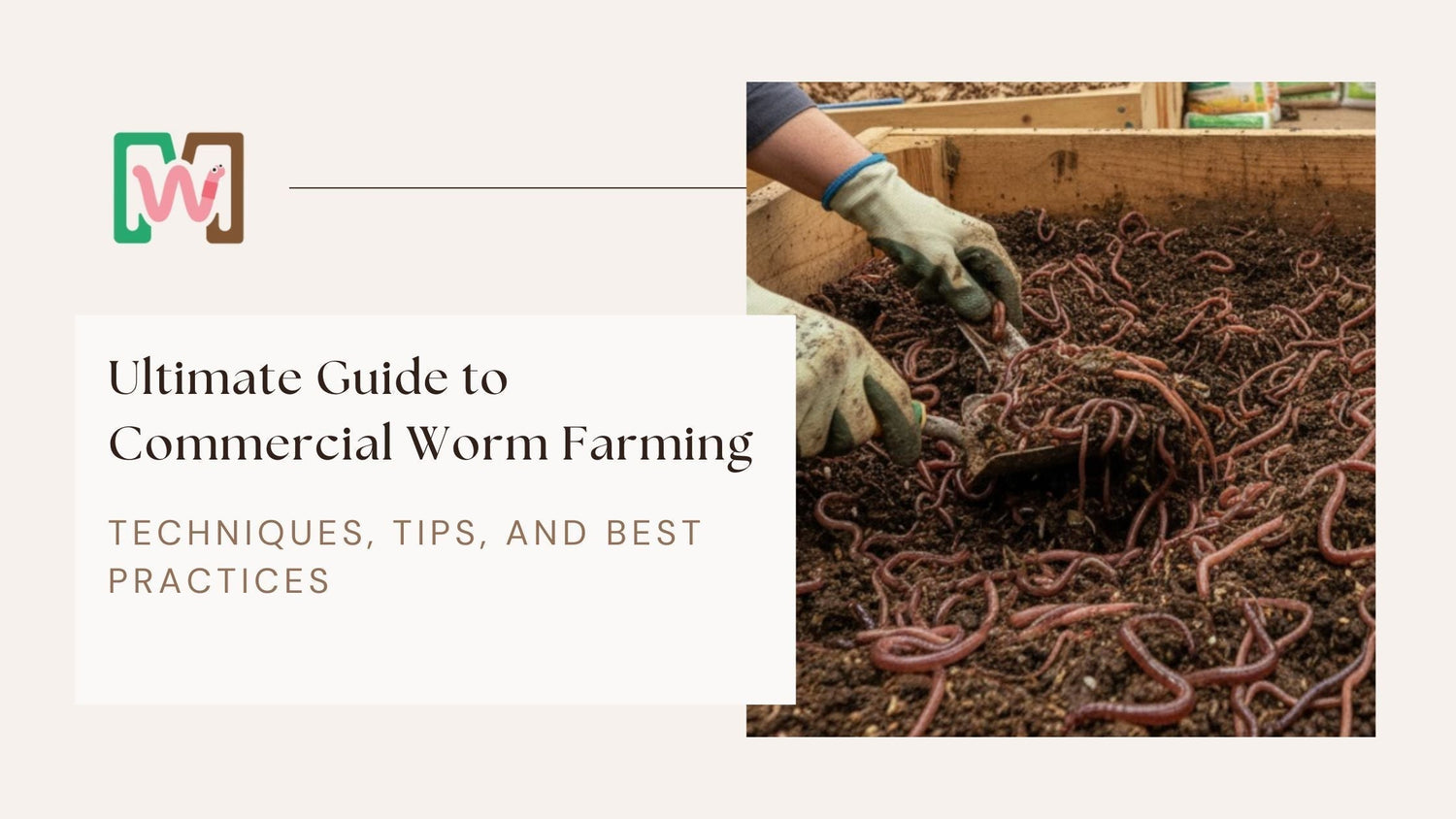
Commercial worm farming is rapidly gaining popularity as an eco-friendly and profitable agricultural practice. Worms, especially species like European nightcrawlers and red wigglers, are cultivated primarily for their nutrient-rich castings, which are prized as organic fertilizer. In this guide, we’ll break down the essential steps of commercial worm farming, inspired by techniques demonstrated in the latest Meme’s Worms video, to help you boost efficiency and yield.
Quick Video:
What is Commercial Worm Farming?
Commercial worm farming, also known as vermiculture, involves the controlled breeding and care of worms to produce worm castings (vermicompost) and cocoons. These products are highly sought after for improving soil health, enhancing plant growth, and supporting sustainable agriculture. Unlike traditional composting, worm farming provides a continuous supply of organic fertilizer while maintaining a healthy worm population for long-term production.

Setting Up Your Worm Farming Operation
Successful worm farming starts with proper planning and setup. Here’s how to organize your workspace effectively:
- Equipment Preparation: Prepare bins, screens, and collection trays. Separate bins are used for baby worms, juveniles, and cocoons to ensure no young worms are lost during harvesting.
- Efficient Bin Organization: Use gray or neutral-colored bins to collect materials that fall through screens. This prevents the loss of valuable worms and maintains cleanliness.
- Tracking Progress: Keep a record of worm growth, castings collected, and overall productivity. This helps in optimizing future harvests.
By following these steps, even a single farmer can manage an efficient operation with minimal waste.
Must Read : Worm Bin Problems: Guide to the 6 Most Common Worm Bin Problems (and How to Solve Them!)

Harvesting High-Quality Worm Castings
Harvesting worm castings is one of the most crucial steps in commercial worm farming. Here’s a step-by-step approach:
- Sifting: Use screens of appropriate size to separate worms from the castings. Fine screens allow castings to fall through while retaining larger worms and debris.
- Collection: Gather the sifted castings for packaging and sale. Maintain cleanliness to ensure that the castings are ready for quick shipping.
- Quality Control: Inspect castings for any non-biodegradable contaminants, such as rubber bands or plastics, which may affect product quality.
Regular harvesting not only increases product yield but also promotes worm health and productivity.
Must Read : What Are The Different Types of Nightcrawler Worms?
Effective Worm Separation Techniques
Separating worms from leftover bedding and debris is essential for maintaining a healthy population. The most efficient method is downward migration, which involves:
-
Exposing worms to light to encourage them to burrow into fresh bedding.
-
Breaking up clumps in the old material to facilitate worm movement.
-
Collecting the worms that migrate into the new bedding for future use or sale.
This method reduces manual handling and minimizes stress on the worms, improving overall productivity.

Maintaining a Healthy Worm Environment
The success of commercial worm farming heavily depends on creating the right environment:
- Bedding Material: Use moistened peat moss or coconut coir as bedding. It should retain moisture without becoming waterlogged.
- Moisture Control: Maintain optimal moisture levels to ensure worms remain active and healthy.
- Temperature Management: Keep bins at a stable temperature, ideally between 15°C to 25°C (59°F to 77°F), to prevent worm stress and maintain a healthy, active population.
A healthy environment ensures consistent worm growth, higher castings quality, and reduced mortality.
Must Read : Vermiculture 101: How To Start A Worm Farm as a Business or a Hobby
Overcoming Common Worm Farming Challenges
Even experienced farmers face challenges in vermiculture. Common issues include:
- Excessive Bin Weight: Heavy bins can compress worms and reduce aeration. Regularly turn the bedding to prevent compaction.
- Non-Biodegradable Contaminants: Items like rubber bands or plastic pieces in food scraps can harm worms. Always inspect inputs carefully.
- Moisture Imbalances: Too wet or too dry bedding can stress worms. Monitor moisture levels frequently.
Applying diligence and attention to detail helps maintain a productive worm farm and high-quality vermicompost.

Community Engagement and Support
Joining a community of worm farming enthusiasts can significantly enhance your knowledge and success. Meme’s Worms emphasizes the importance of connecting with other farmers, sharing insights, and seeking advice. Online forums, social media groups, and local workshops are great platforms to exchange tips and troubleshoot common issues.
Conclusion
Commercial worm farming is a sustainable and profitable venture when done correctly. By setting up efficient bins, harvesting high-quality castings, separating worms effectively, and maintaining a healthy environment, farmers can maximize productivity and profit. Engaging with a supportive community further enhances success and ensures continued learning.
Whether you’re a hobbyist or a commercial farmer, following these best practices can help you achieve remarkable results in vermiculture.





1 comment
Matt Tomaszewski
Nice video. How many square feet is you warehouse? What were your start up cost?(estimate)
thank you
Matt
Leave a comment
All comments are moderated before being published.
This site is protected by hCaptcha and the hCaptcha Privacy Policy and Terms of Service apply.